
There’s something magical about the first chill of fall air that invites hearty meals back into our lives. As the leaves begin to change, I find myself reaching for vibrant autumn ingredients, like in this delicious Spaghetti Squash with Sautéed Veggies. This recipe is an irresistible option for anyone craving a healthy, gluten-free dish that’s both filling and adaptable. With caramelized onions, sautéed mushrooms, and nutrient-packed spinach, each bite is a warm embrace of seasonal goodness. Plus, it’s adaptable for any palate—with protein options like Italian sausage or plant-based cheese for a vegan twist. Whether you’re cooking for yourself or entertaining friends, this dish promises to be a crowd-pleaser. Ready to discover how simple it is to create this nourishing masterpiece? Let’s get started!
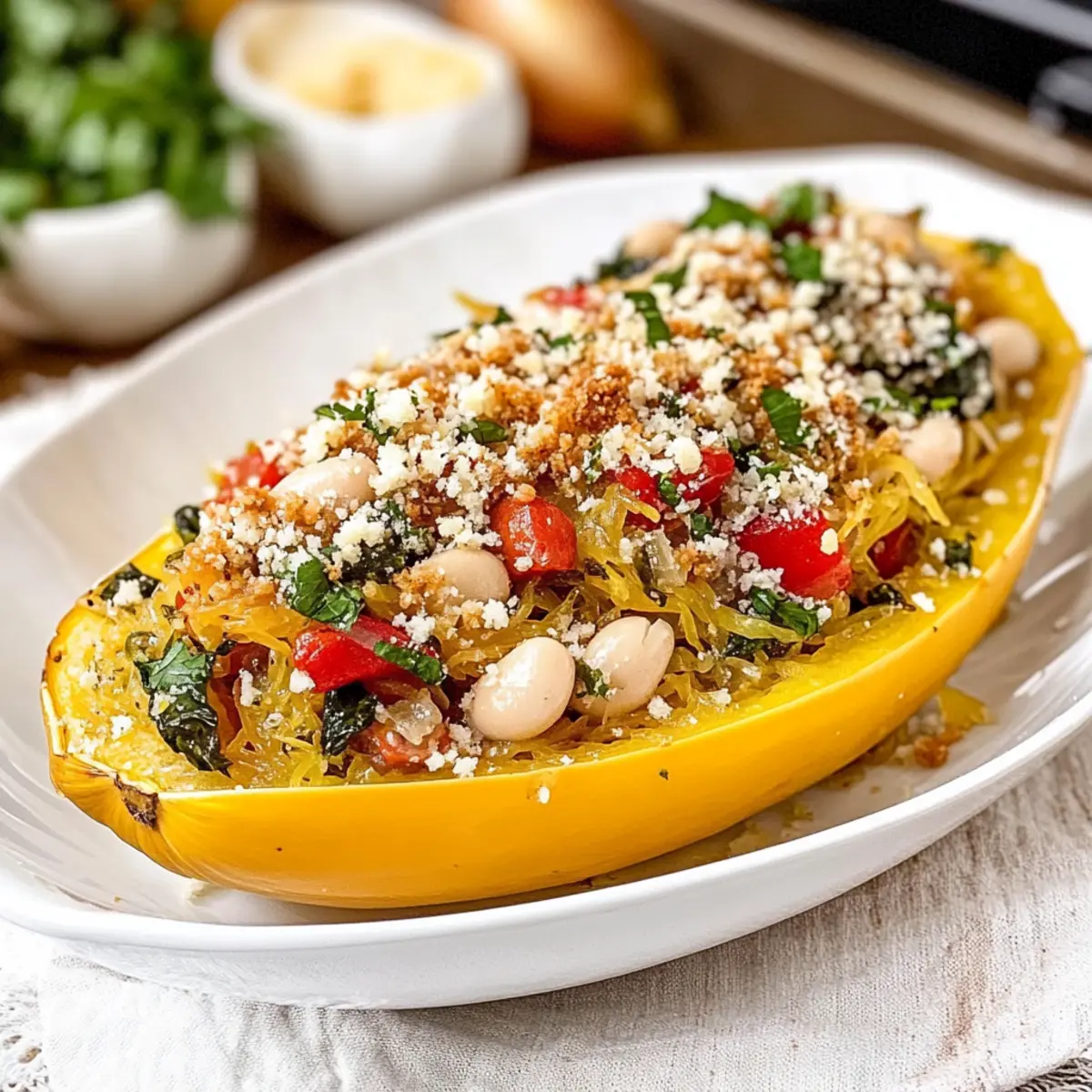
Why is Spaghetti Squash a Game-Changer?
Versatile and Adaptable: The beauty of spaghetti squash lies in its adaptability to different tastes. You can personalize it with proteins like Italian sausage or keep it vegan by swapping in plant-based cheese.
Healthy and Nourishing: This dish is packed with nutrients and is naturally gluten-free, perfect for those seeking a wholesome meal without compromising flavor.
Comforting Flavors: The combination of caramelized onions and sautéed veggies creates a cozy, hearty dish that embodies the essence of fall.
Time-Efficient: Quick to prepare and bake, you’ll have this delightful meal on the table in under an hour. Perfect for busy weeknights!
Crowd-Pleasing Appeal: Whether you’re cooking for family or hosting friends, this spaghetti squash dish is sure to impress everyone at the table. Don’t forget, it pairs beautifully with sides like Cajun Chicken Spaghetti or a fresh Coconut Crusted Salmon for a complete autumn feast!
Spaghetti Squash with Sautéed Veggies Ingredients
For the Squash
• Spaghetti Squash – The star of the dish, providing a delightful, pasta-like texture that makes it a perfect gluten-free option.
• Olive Oil – Adds rich flavor and helps in roasting; use sparingly to avoid a soggy texture.
• Salt and Pepper – Essential seasonings that enhance the taste of the squash and sautéed veggies.
For the Sautéed Veggies
• Onion – Bring sweetness and depth; caramelize for maximum flavor.
• Mushrooms – Adds umami richness; any variety works well, but try Cremini for a savory twist.
• Spinach – Packs in nutrients and color; feel free to substitute with kale if desired.
• Garlic – Infuses lovely aroma and flavor; fresh garlic is ideal, but garlic powder works in a pinch.
• Canned Tomatoes – Introduces moisture and a touch of acidity; choose diced or crushed for convenience.
• White Beans – Provides creaminess and protein; can easily swap with black beans or chickpeas for more variety.
Optional Toppings
• Breadcrumbs – Sprinkle on top for crunch; opt for gluten-free ones if necessary.
• Parmesan Cheese – Adds a rich, savory finish; use vegan cheese for a dairy-free version that complements the dish beautifully.
This delectable Spaghetti Squash with Sautéed Veggies is the perfect fall recipe to warm your heart and belly!
Step‑by‑Step Instructions for Spaghetti Squash with Sauteed Veggies
Step 1: Preheat Oven
Begin by preheating your oven to 400°F (200°C). This high temperature will help achieve perfectly tender spaghetti squash while allowing the flavors to caramelize beautifully. Make sure to prepare a baking sheet lined with parchment paper for easy cleanup later.
Step 2: Prepare the Squash
Carefully slice the spaghetti squash in half lengthwise. Use a spoon to scoop out the seeds, creating a hollow space for the delicious fillings. Once cleaned, you’ll notice the glossy flesh that will transform into spaghetti-like strands—the star of your Spaghetti Squash with Sautéed Veggies!
Step 3: Season the Squash
Brush the cut sides of the squash with a drizzle of olive oil, ensuring an even coat to enhance flavor and promote roasting. Season generously with salt and pepper, then add any additional spices you desire, such as garlic powder or Italian seasoning for an extra punch.
Step 4: Roast the Squash
Place the halved squash cut-side down on the prepared baking sheet and roast in the oven for about 40-50 minutes. The squash is ready when you can easily pierce the flesh with a fork and it has a slight golden edge. This process brings out its natural sweetness while creating that delightful spaghetti texture.
Step 5: Sauté the Vegetables
While the squash is roasting, heat a tablespoon of olive oil in a large skillet over medium heat. Add chopped onions and sauté until they turn golden brown and caramelized, about 5-7 minutes. The aromatic onions are pivotal in enriching the flavor profile of your dish.
Step 6: Add Mushrooms and Garlic
Once the onions are caramelized, add the sliced mushrooms to the skillet and stir frequently for about 3-4 minutes until they become soft and juicy. Add minced garlic and cook for an additional minute, just until fragrant, ensuring a fragrant base for your sautéed veggie medley.
Step 7: Incorporate Remaining Ingredients
Next, stir in the canned tomatoes, fresh spinach, and white beans into the skillet. Cook for about 5 minutes until the spinach wilts and everything is thoroughly heated through. The vibrant colors of these sautéed veggies truly elevate the visual appeal of your Spaghetti Squash with Sautéed Veggies.
Step 8: Combine Squash and Veggies
Once the spaghetti squash is roasted, use a fork to gently fluff the strands within each half. Combine the fluffy squash strands with the sautéed veggie mixture in the skillet, tossing well to ensure even distribution of flavors. This delightful union is the heart of your dish!
Step 9: Fill and Top Squash Halves
Transfer the combined mixture back into the hollowed-out squash halves, filling them generously. Top each filled squash with breadcrumbs for a crunchy finish. If desired, sprinkle grated Parmesan cheese or vegan cheese on top for an added layer of richness before baking.
Step 10: Bake to Perfection
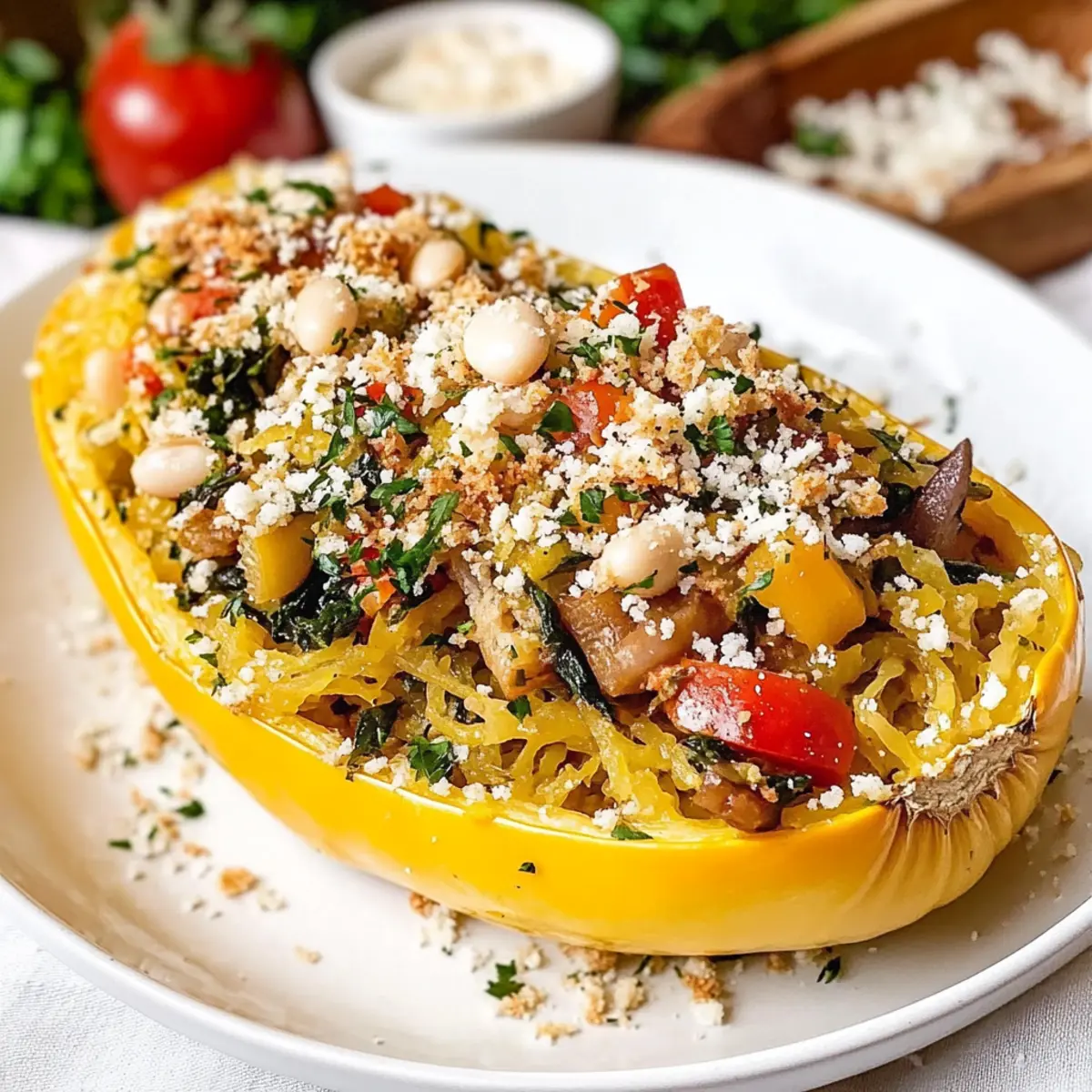
Return the filled squash halves to the oven and bake for an additional 10-15 minutes, until bubbling and golden brown on top. The aroma wafting through your kitchen will assure you that your Spaghetti Squash with Sautéed Veggies is nearly ready for the table!
Make Ahead Options
These Spaghetti Squash with Sautéed Veggies are a perfect meal prep choice for busy home cooks! You can roast the spaghetti squash up to 24 hours in advance; simply let it cool and store it in the refrigerator. The sautéed veggies, including onions, mushrooms, spinach, and white beans, can also be prepared up to 3 days ahead. Just cool them completely before refrigerating to maintain their vibrant colors and flavors. When you’re ready to serve, mix the chilled squash strands with the sautéed veggies and follow up by topping it with breadcrumbs and cheese before baking for an additional 10-15 minutes. This make-ahead strategy ensures your spaghetti squash dish remains just as delicious while saving you valuable time during the week!
Storage Tips for Spaghetti Squash with Sautéed Veggies
Fridge: Store leftovers in an airtight container for up to 3 days. This keeps the flavors fresh and delicious!
Freezer: For longer storage, freeze the sautéed veggie mixture in freezer-safe bags for up to 3 months. Avoid freezing the squash itself, as it may lose texture.
Reheating: Gently reheat in the microwave or in a skillet over low heat until warmed through. Feel free to add a splash of olive oil or a sprinkle of cheese to revive the dish!
Serving Suggestions: This delightful dish is best enjoyed warm; consider serving leftovers as a stuffing for bell peppers or mixed into a salad for a creative twist!
Helpful Tricks for Spaghetti Squash
Check for Tenderness: Avoid undercooked squash by ensuring it’s tender before fluffing—look for light golden edges when probing with a fork.
Oil Wisely: Use olive oil sparingly; too much can make your spaghetti squash soggy instead of enhancing its flavor and texture.
Flavor Boosters: Enhance your sautéed veggies by experimenting with fresh herbs or spices! Fresh basil or oregano complement the spaghetti squash well.
Add Protein: For a more filling meal, consider adding cooked Italian sausage or additional white beans—the protein enhances the heartiness of this dish.
Creative Substitutions: Don’t hesitate to swap ingredients! Zucchini can replace spaghetti squash for a low-carb version, or use any veggies you have on hand.
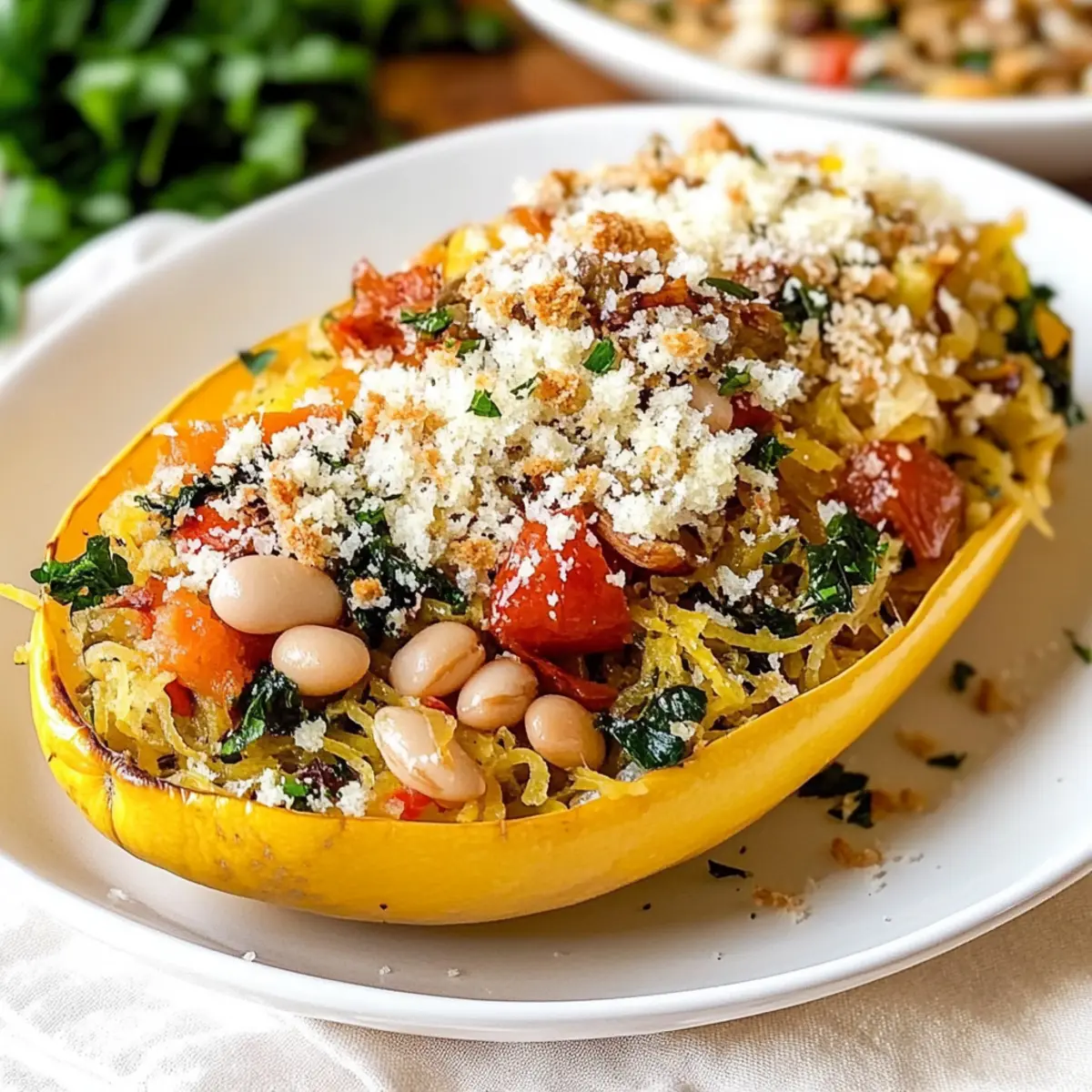
Presentation Matters: After baking your spaghetti squash with sautéed veggies, serve it in the squash halves for a beautiful presentation that’s sure to impress!
Spaghetti Squash with Sauteed Veggies Variations
Feel free to explore exciting twists on this beloved recipe! Each option opens up new flavor adventures that warm the heart.
- Add Protein: Incorporate cooked Italian sausage or chickpeas for a protein boost, adding heartiness and savory flavor.
- Vegan Twist: Swap out traditional cheese for a delicious plant-based alternative, making it suitable for vegan diets without sacrificing taste.
- Extra Veggies: Toss in additional chopped bell peppers, zucchini, or even sweet corn for vibrant flavors and extra nutrition. The more the merrier!
- Heat It Up: Introduce a pinch of red pepper flakes or diced jalapeños while sautéing veggies for a delightful kick of spice that excites the palate.
- Herb Infusion: Experiment with fresh herbs like basil, parsley, or thyme. They add aromatic notes that elevate the dish and offer a fresh taste experience.
- Zucchini Substitute: For a low-carb alternative, replace spaghetti squash with spiralized zucchini, perfect for a lighter take that still delivers on flavor.
- Comforting Spice: Add a dash of nutmeg or cinnamon during roasting for a warm, cozy hint that enhances the overall fall vibes and draws all those delightful flavors together.
- Nutty Crunch: Sprinkle toasted pine nuts or walnuts over the top before serving for added texture and an enticing nutty flavor that complements the veggies beautifully.
You’ll find that these variations not only adjust the recipe for dietary preferences but also create a world of new tastes. Enjoy even more seasonal bounty by serving alongside hearty dishes like Beef Stew Dumplings or Brown Sugar Garlic for an autumn feast that delights!
What to Serve with Savory Spaghetti Squash with Sautéed Veggies
Transform your hearty autumn dish into a complete meal with these delightful pairings!
-
Creamy Mashed Potatoes: The buttery smoothness of mashed potatoes contrasts beautifully with the spaghetti squash, adding a rich, comforting element to your plate.
-
Garlic Bread: Crispy, toasty garlic bread deliciously balances the warm, savory flavors of the sautéed veggies, creating a satisfying side that’s irresistible.
-
Mixed Greens Salad: A fresh salad of mixed greens with a tangy vinaigrette adds a crisp, light touch, making for a perfect contrast to the warmth of the squash dish.
-
Roasted Brussels Sprouts: Their earthy flavor and crisp texture complement the sweetness of the spaghetti squash and elevate your meal with a seasonal veggie.
-
Grilled Lemon Chicken: Juicy, citrus-infused chicken adds protein while the lemon brightens the entire dish, harmonizing beautifully with the autumnal flavors of your main course.
-
Warm Apple Crisp: End your meal on a sweet note with a warm, cinnamon-spiced apple crisp—a delightful way to celebrate fall’s bounty!
Each of these pairings will not only enhance the flavors of your Savory Spaghetti Squash with Sautéed Veggies but will also create a memorable dining experience!
Spaghetti Squash with Sautéed Veggies Recipe FAQs
How do I choose a ripe spaghetti squash?
Look for a spaghetti squash with a firm, pale yellow skin and no dark spots. A ripe squash should feel heavy for its size, indicating good moisture content. If it has any soft spots or is overly shiny, it’s best to pass and find another one.
What’s the best way to store leftovers?
Store your leftover spaghetti squash with sautéed veggies in an airtight container in the refrigerator for up to 3 days. This keeps the meal fresh and ready for your next craving. When reheating, I recommend gently warming it in the microwave or on the stove over low heat to maintain its flavor and texture.
Can I freeze spaghetti squash and sautéed veggies?
Absolutely! However, I recommend freezing just the sautéed veggie mixture to preserve quality. Place it in a freezer-safe bag or container, and it can last up to 3 months. When you’re ready to enjoy, simply thaw it overnight in the refrigerator and reheat before mixing with fresh spaghetti squash that’s prepared again, as freezing the cooked squash itself may lead to mushiness.
What should I do if my spaghetti squash is undercooked?
If you find your squash isn’t tender after roasting, simply return it to the oven and continue baking. Check it every 10 minutes until the fork easily penetrates the flesh and the edges are slightly golden. This ensures you end up with perfectly fluffy, manageable strands!
Can this recipe accommodate dietary restrictions?
Very! This spaghetti squash with sautéed veggies is naturally gluten-free and can be made vegan by using plant-based cheese and omitting any animal proteins. If you’re concerned about allergies, ensure that any canned tomatoes or beans you use are labeled allergen-friendly. Feel free to switch out vegetables to suit your needs!
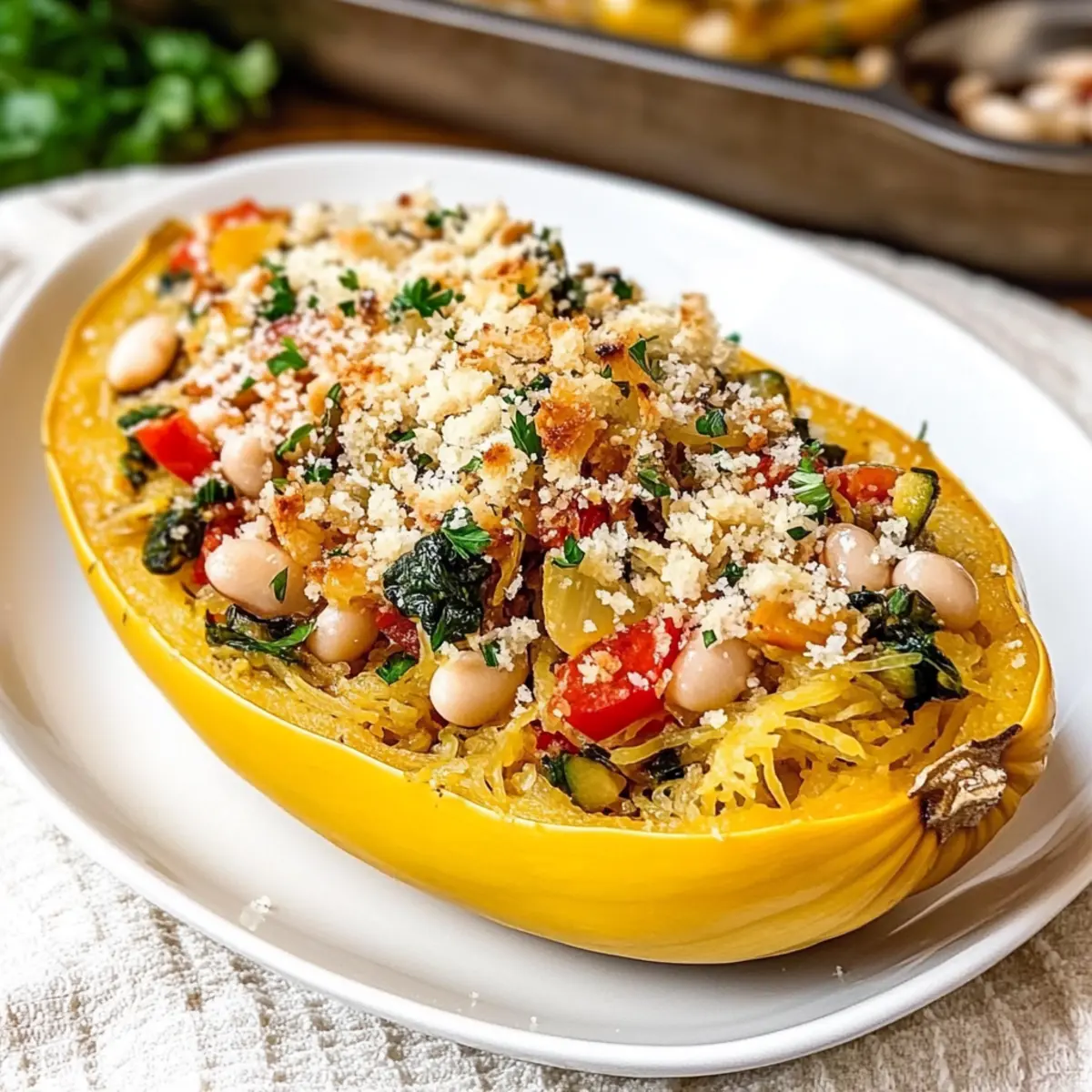
Delicious Spaghetti Squash with Sautéed Veggies Delight
Ingredients
Equipment
Method
- Preheat your oven to 400°F (200°C) and prepare a baking sheet lined with parchment paper.
- Slice the spaghetti squash in half lengthwise and scoop out the seeds.
- Brush the cut sides of the squash with olive oil, season with salt and pepper.
- Place the squash cut-side down on the baking sheet and roast for 40-50 minutes.
- While the squash is roasting, heat olive oil in a skillet and sauté chopped onions until caramelized.
- Add mushrooms and cook until soft, then add minced garlic.
- Stir in canned tomatoes, fresh spinach, and white beans, cooking until spinach wilts.
- Fluff roasted squash strands with a fork and combine with sautéed veggies.
- Transfer mixture back into the squash halves, top with breadcrumbs and cheese.
- Return to the oven and bake for an additional 10-15 minutes until golden brown.
Leave a Reply