
As the sizzling aroma of my stovetop brings memories of teppanyaki nights, I find myself reaching for a cheerful yellow zucchini. This Quick Hibachi Zucchini recipe transforms this humble vegetable into a vibrant and delicious side dish, perfect for any home-cooked meal. Packed with a savory blend of garlic and ginger, this vegetarian delight takes less than 20 minutes to whip up—ideal for busy weeknights when you’re craving something comforting yet healthy. Picture the tender-crisp texture of zucchini perfectly coated in soy sauce, inviting it to be the star of your dinner plate or a flavorful accompaniment to grilled proteins. Want to know how to make this easy dish a staple in your kitchen? Let’s dive into the recipe!
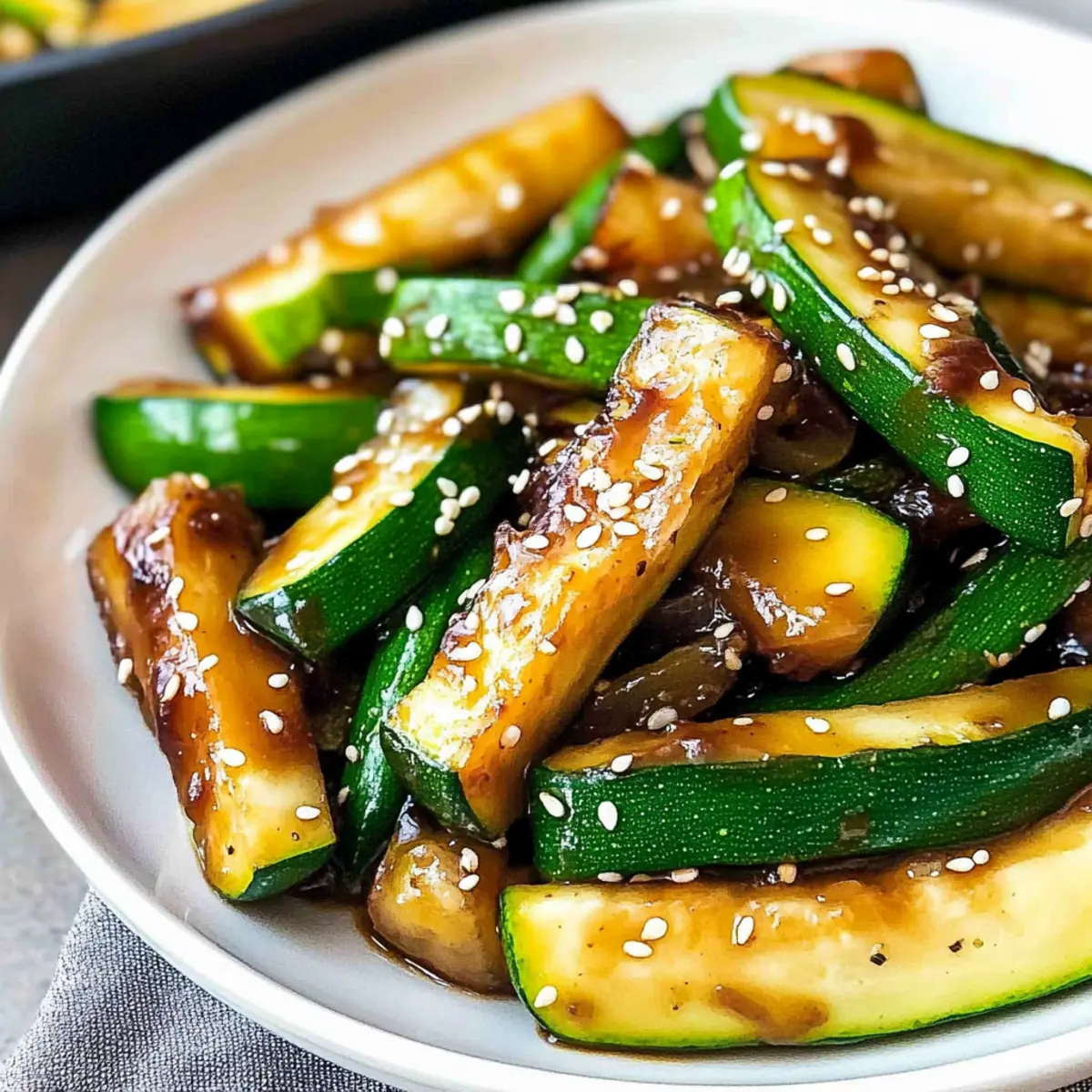
Why try this hibachi zucchini recipe?
Quick Cooking: This dish comes together in under 20 minutes, perfect for those busy weeknights when you need a healthy option fast.
Irresistible Flavors: The combination of fresh garlic, ginger, and soy sauce creates a mouthwatering flavor explosion that elevates plain zucchini to something extraordinary.
Versatile Pairing: Serve it as a side alongside hibachi chicken or shrimp, or enjoy it on its own for a vegetarian delight. This recipe matches well with Chicken Lemon Zucchini or fried rice, adding variety to your meals.
Minimal Cleanup: With just one pan required, you’ll love the easy cleanup that follows this quick dish!
Health-Conscious: Packed with nutrients and low in calories, it’s a fantastic way to sneak in more veggies without sacrificing taste.
Hibachi Zucchini Ingredients
For the Zucchini
• Zucchini – Adds bulk and a mild, fresh flavor; opt for firm zucchinis for the best results.
• Onion – Provides sweetness and depth; substitute with shallots for a milder taste.
For the Flavor
• Garlic (1 tsp, minced) – Boosts flavor with a pungent aroma; fresh is preferred over powdered.
• Ginger (1 tsp, minced) – Adds warmth and spice; ground ginger can be used in a pinch, but fresh is optimal.
• Soy Sauce (2 tbsp) – Imparts a rich umami flavor; low-sodium soy sauce can be a healthier option.
• Sesame Oil (1 tbsp) – Adds nuttiness and depth; toasted sesame oil can enhance flavor even more.
For Cooking
• Vegetable Oil (1 tbsp) – Used for sautéing, helps vegetables to cook evenly; can be replaced with sesame oil for more flavor.
• Salt (1/2 tsp) – Enhances overall flavor; use limited quantities if using salted soy sauce.
• Black Pepper (1/4 tsp) – Adds subtle heat; white pepper can be a good alternative for a different flavor profile.
For Garnishing
• Sesame Seeds (1 tbsp) – Provides crunch and visual appeal; can substitute with chopped peanuts for a different texture.
Feel free to explore and make this Hibachi Zucchini your own by adding in your favorite veggies or proteins!
Step‑by‑Step Instructions for Hibachi Zucchini
Step 1: Prep Veggies
Begin by slicing the zucchini into half-inch square sticks, about 2-3 inches long. Next, quarter the onion and then slice it into half-inch pieces. This preparation will ensure even cooking and enhance the dish’s presentation, setting the stage for a delightful Hibachi Zucchini dish.
Step 2: Heat Pan
Preheat a sauté pan or wok over medium-high heat for about 1 minute. Once hot, add the vegetable oil and allow it to shimmer, which indicates it’s ready for cooking. This step is crucial for achieving a nice sear on the vegetables, enhancing their flavors and textures in the Hibachi Zucchini.
Step 3: Cook Onion
Add the sliced onion to the pan and sauté for about 2 minutes, stirring occasionally. You want the onions to soften and turn slightly translucent, releasing their sweetness. This initial cooking adds depth to the flavors in your Hibachi Zucchini, creating a delicious aromatic base.
Step 4: Add Aromatics
Stir in the minced garlic and ginger into the pan with the onions, cooking for about 30 seconds. As these aromatics release their fragrance, they will infuse the oil, adding a warm and tangy flavor profile to your dish. Be careful not to let them burn, as that could turn the flavors bitter.
Step 5: Cook Zucchini
Now, add your prepared zucchini sticks to the pan, turning the heat up to medium-high if necessary. Cook for 4-5 minutes, stirring every minute or so. You want the zucchini to develop a light browning and remain tender-crisp, which will bring out its fresh flavor in the Hibachi Zucchini.
Step 6: Season
Pour in the soy sauce and sesame oil, then sprinkle with salt, pepper, and sesame seeds. Sauté the mixture for an additional minute, allowing the flavors to meld and the zucchini to finish cooking to tender-crisp perfection. This coating is what makes your Hibachi Zucchini truly irresistible.
Step 7: Serve
Remove the pan from the heat and transfer the Hibachi Zucchini to a serving dish. Pair it with fried rice or grilled proteins for a complete meal. The vibrant colors and delightful aromas will invite everyone to the table, making it the perfect centerpiece for your next family dinner.
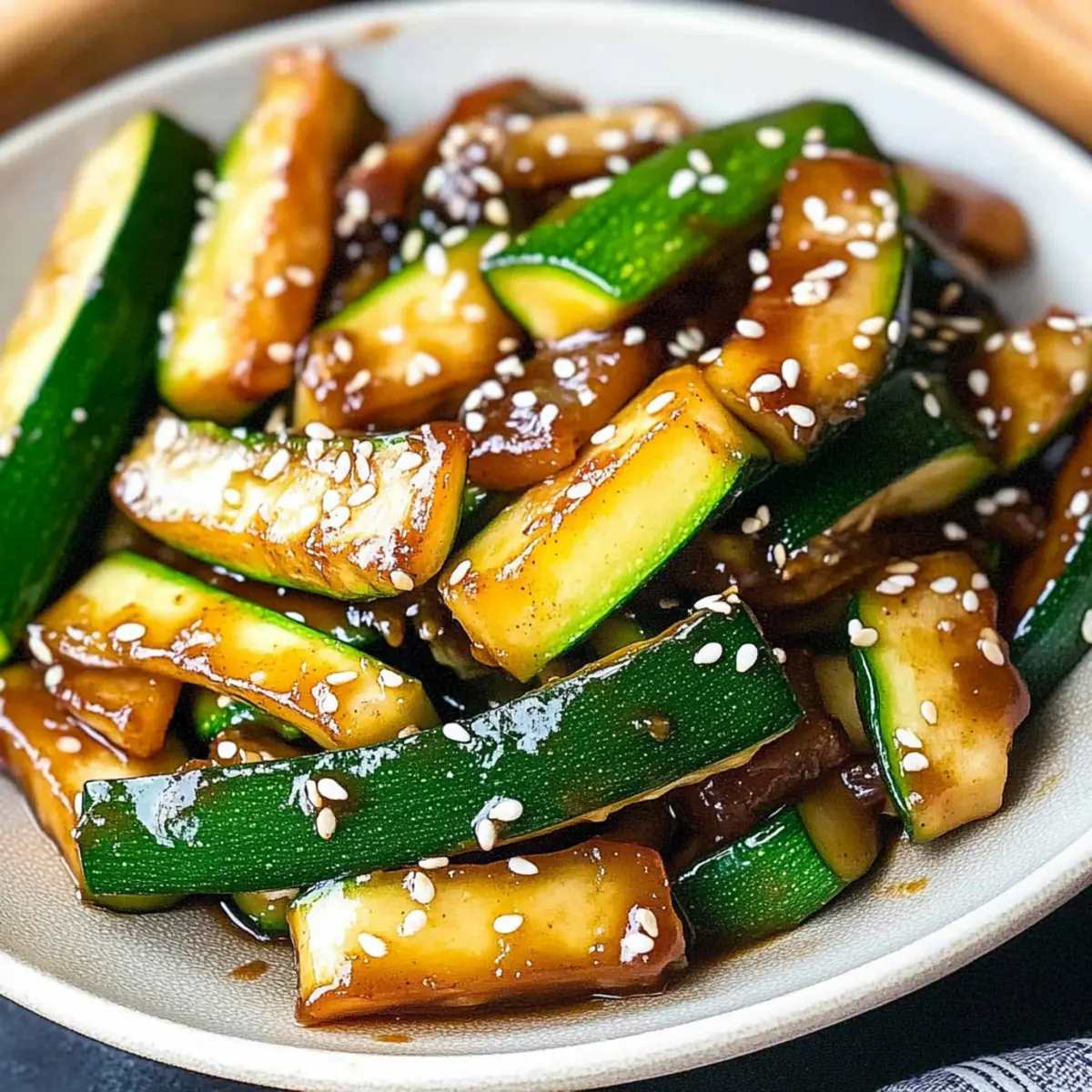
How to Store and Freeze Hibachi Zucchini
Fridge: Store cooled hibachi zucchini in an airtight container for up to 3-4 days. It’s best to keep it separate from sauces to maintain its texture.
Freezer: Although best enjoyed fresh, you can freeze hibachi zucchini for up to 3 months. Cool it completely, then place in a freezer-safe bag, removing as much air as possible.
Reheating: To enjoy your hibachi zucchini later, warm it in a skillet over medium heat, stirring until heated through, or microwave it in intervals until hot. This preserves the dish’s tender-crisp quality.
Tip: Always label your containers with the date, so you can keep track of freshness for your hibachi zucchini!
Make Ahead Options
These Hibachi Zucchini are perfect for busy weeknight meal prep! You can slice the zucchini and onion up to 24 hours in advance and store them in an airtight container in the refrigerator. To maintain their quality and prevent browning, consider sprinkling a little lemon juice over the cut zucchini. You can also measure out the garlic, ginger, soy sauce, and sesame oil beforehand, having everything ready to go when you’re ready to cook. When it’s mealtime, simply heat up your sauté pan, add the prepared veggies, and follow the remaining cooking steps for a fresh and flavorful dish, ensuring a delightful side in a pinch!
Expert Tips for Hibachi Zucchini
Oil Temperature: Heat your oil until shimmering before adding the vegetables. This ensures the zucchini gets a nice sear instead of steaming.
Pan Crowding: Avoid overcrowding the pan as it can lead to steaming instead of sautéing. Cook in batches if necessary to achieve tender-crisp bulbs in your Hibachi Zucchini.
Fresh Ingredients: Always use fresh garlic and ginger for the best flavor. These aromatics are what elevate your dish and make it memorable.
Adjust Seasoning: Taste as you go, especially if using low-sodium soy sauce. You can always add salt later, ensuring the perfect balance in your Hibachi Zucchini.
Garnish Wisely: Experiment with garnishes like chopped scallions or crushed peanuts for added crunch and brightness in your dish.
Hibachi Zucchini Variations & Substitutions
Feel free to play around with the ingredients and customize this dish to suit your tastes and dietary needs!
- Mushroom Boost: Add sliced shiitake or cremini mushrooms along with the zucchini for an earthy depth. They’ll soak up those lovely flavors beautifully!
- Colorful Bell Peppers: Toss in sliced bell peppers or snap peas for a pop of color and extra crunch. These additions not only visually enhance the dish but also provide a delightful crunch with every bite.
- Broccoli Alternative: Swap out zucchini for broccoli florets, maintaining similar cooking times for a nutritious twist. The broccoli will absorb the flavors wonderfully and add a unique texture.
- Asparagus Version: Try using asparagus instead of zucchini for a different but equally delightful flavor. Just trim the ends, and you’re ready to go!
- Sesame-Free: Replace sesame oil with olive or grapeseed oil for a friendly allergy substitute while still achieving that sauté perfection. The garlic and ginger will still shine through splendidly.
- Spicy Kick: Add a pinch of red pepper flakes or a drizzle of sriracha for some heat. This spicy twist will elevate your hibachi zucchini into a flavor powerhouse!
- Nutty Finish: Sprinkle with toasted sunflower seeds instead of sesame seeds for a fun crunch and nutty flavor profile. They add a unique twist while enhancing the overall texture.
- Protein Power: Want to turn this into a main course? Add some cubed tofu or cooked chicken when you incorporate the zucchini. It’s a great way to make the dish heartier and more satisfying alongside a side of fried rice!
What to Serve with Quick Hibachi Zucchini
Elevate your meal with delightful complements that enhance the vibrant flavors of this savory side dish.
- Fried Rice: The buttery, fragrant flavors of fried rice pair beautifully, soaking up any leftover sauce and rounding out the meal.
- Grilled Chicken: Juicy, marinated grilled chicken adds a savory protein that harmonizes with the delicious ginger and garlic notes found in the zucchini.
- Tempura Vegetables: Crunchy tempura offers a delightful contrast in texture, making each bite an adventure while keeping the meal cohesive in Japanese cuisine.
- Tofu Stir-Fry: For a vegetarian spin, a tofu stir-fry brings protein and flavor, enhancing the freshness of your hibachi zucchini.
- Miso Soup: Silky miso soup introduces umami depth, gently warming the palate and adding comfort to the dining experience.
- Pickled Vegetables: A small side of tangy pickled vegetables cuts through the richness, refreshing your palate with each bite.
- Sake or Green Tea: Enjoy a chilled glass of sake or a warm cup of green tea, both of which beautifully complement the umami flavors in your meal.
- Chocolate Mochi: For dessert, indulge in chocolate mochi, adding a sweet conclusion to the meal while providing a fun, chewy texture.
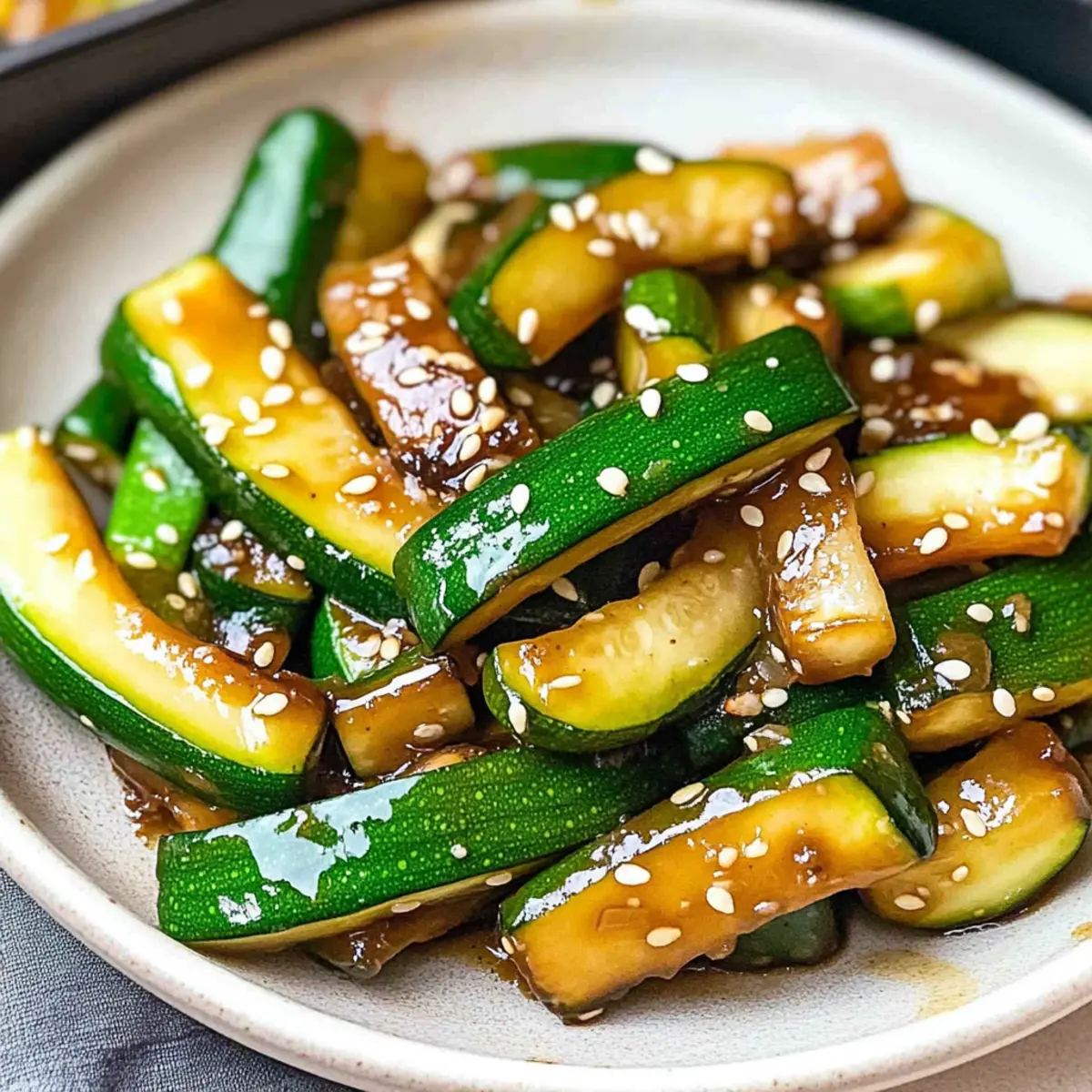
Hibachi Zucchini Recipe FAQs
What is the best way to select zucchini for this recipe?
For this hibachi zucchini, look for firm zucchinis with smooth, glossy skin that are free from dark spots or blemishes. Smaller zucchinis tend to be more tender and flavorful, making them ideal for this quick dish. If you notice dark spots all over, it’s best to pick another one.
How long can I store leftovers of hibachi zucchini?
Cooled hibachi zucchini can be stored in an airtight container in the refrigerator for up to 3-4 days. To keep it fresh, I recommend separating it from any sauces to help maintain its texture. Enjoy it warm for a nice flavor boost!
Can I freeze hibachi zucchini?
Absolutely! While it’s best enjoyed fresh, you can freeze hibachi zucchini for up to 3 months. First, allow it to cool completely, then place it in a freezer-safe bag. Be sure to remove as much air as possible before sealing. Label with the date, and when you’re ready to enjoy it again, thaw it in the fridge overnight before reheating.
What should I do if my zucchini is overcooked?
If you find your zucchini has become mushy, don’t worry too much! Next time, try adjusting your cooking time. Aim for a tender-crisp texture by following the cooking instructions closely and stirring regularly. If it gets too soft, add it to a stir-fry or a soup where the texture won’t be as pivotal.
Is this recipe suitable for vegetarians or vegans?
Yes, this hibachi zucchini recipe is completely vegetarian and can easily be made vegan by ensuring that the soy sauce you use does not contain any animal-based ingredients. It’s a fantastic, healthy side dish that everyone can enjoy!
Can I add other vegetables to my hibachi zucchini?
The more, the merrier! Feel free to add sliced mushrooms, bell peppers, or even snap peas at the same time as the zucchini for added color and nutrition. Just make sure to maintain similar cook times for those veggies, ensuring everything cooks evenly to create a delightful dish you and your family will love!
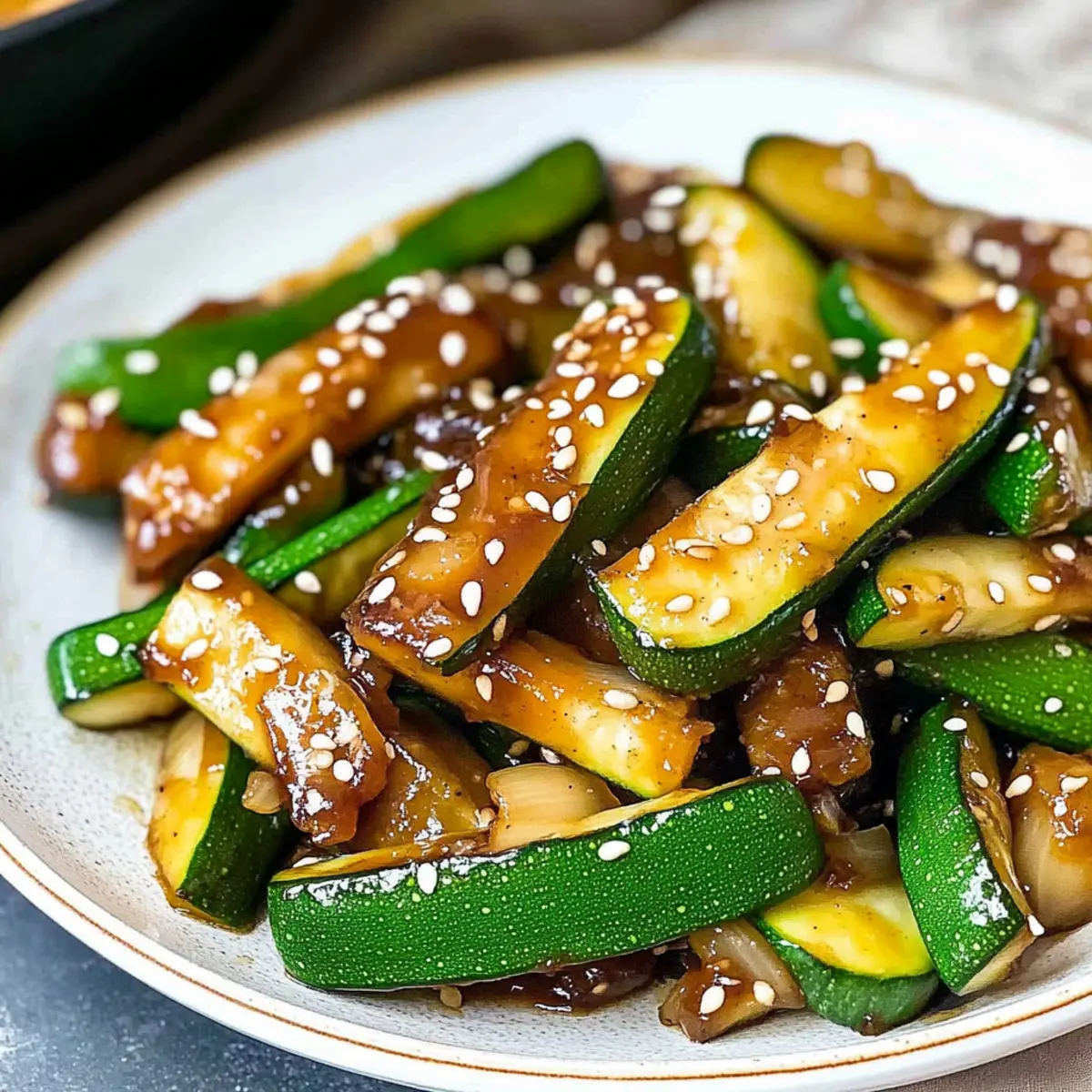
Quick Hibachi Zucchini: Delicious and Easy Vegetarian Delight
Ingredients
Equipment
Method
- Begin by slicing the zucchini into half-inch square sticks, about 2-3 inches long. Quarter the onion and slice into half-inch pieces.
- Preheat a sauté pan or wok over medium-high heat for about 1 minute. Add the vegetable oil and let shimmer.
- Add the sliced onion to the pan and sauté for about 2 minutes, until softened and slightly translucent.
- Stir in the minced garlic and ginger into the pan with the onions, cooking for about 30 seconds.
- Add the prepared zucchini sticks to the pan, turning heat up to medium-high if necessary. Cook for 4-5 minutes, stirring every minute.
- Pour in the soy sauce and sesame oil, then sprinkle with salt, pepper, and sesame seeds. Sauté for an additional minute.
- Remove from heat and transfer the Hibachi Zucchini to a serving dish. Serve with fried rice or grilled proteins.
Leave a Reply