
As the chilly winds of winter whisper through the trees, there’s nothing quite like the aroma of a simmering pot of Korean Winter Soup to create a cozy atmosphere at home. This hearty and spicy comfort food features tender beef brisket mingling with fresh vegetables in a rich broth that warms you from the inside out. Not only is this Korean Winter Soup a delightful way to nourish yourself and your loved ones, but it also boasts the bonus of being a quick-prep meal that satisfies the heart and soul. Experience the joy of cooking a dish that embodies warmth and family connection, and soon you’ll find yourself craving this comforting classic. Curious about how to create this warm embrace in a bowl? Let’s dive into the recipe!
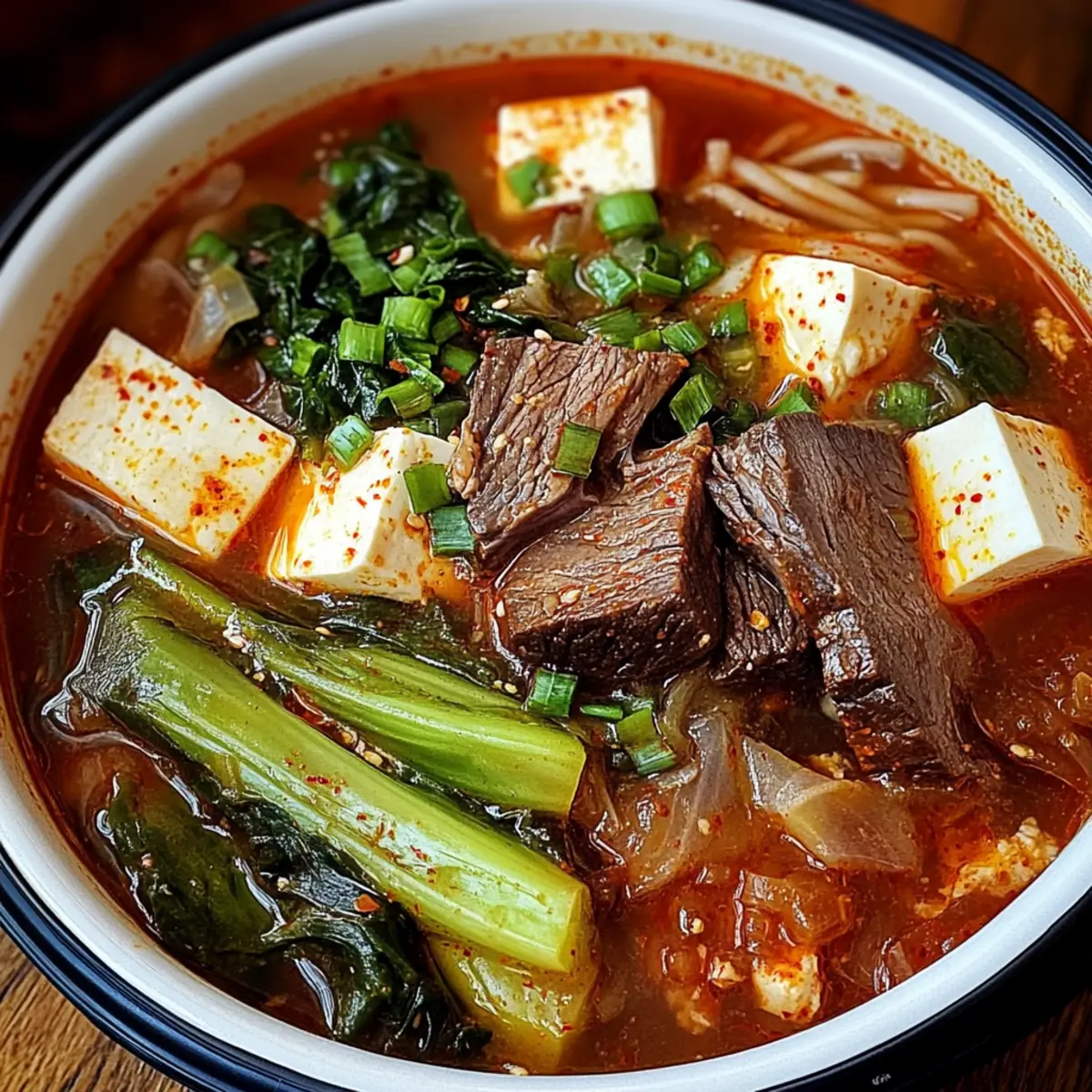
Why is Korean Winter Soup so comforting?
Hearty, rich flavors: This soup features a deliciously complex broth, blending umami and spice into every spoonful.
Quick to prepare: In under an hour, you can have a nourishing meal that’s perfect for those cold winter evenings.
Versatile options: Feel free to customize the ingredients; add extra veggies or use different types of meat for varied tastes.
Crowd-pleaser: Ideal for family gatherings, this soup invites everyone to savor each warm, delicious bowl together.
You might also enjoy pairing this dish with sides like Pot Pie Soup or serving it alongside crunchy kimchi for an authentic experience!
Korean Winter Soup Ingredients
• To create this heartwarming dish, here’s what you’ll need:
For the Soup Base
- Beef Brisket – Provides a robust beefy essence; can substitute with chuck roast for a different texture.
- Water – The foundation of the broth that melds all flavors together.
- Soy Sauce – Adds salty umami depth, enhancing the overall taste harmony.
For the Flavor Boost
- Korean Red Pepper Paste (Gochujang) – Gives a spicy-sweet kick and vibrant color to the broth.
- Korean Red Pepper Powder (Gochugaru) – Offers smoky, fruity heat that perfectly complements the other flavors.
- Garlic – Infuses an aromatic punch, elevating the savoriness.
- Onion – Contributes natural sweetness and body to the soup.
For the Veggies
- Napa Cabbage – Provides a refreshing taste that becomes tender in the soup.
- Firm Tofu – Offers a protein-rich texture while absorbing the broth’s flavors.
- Daikon Radish – Adds a crisp-tender texture and unique sweetness to the dish.
For Finishing Touches
- Sesame Oil – Used for sautéing green onions, adding a nutty aroma to the dish.
- Green Onions – For a burst of freshness and color.
- Salt and Pepper – Essential for fine-tuning the flavor profile.
- White Rice – A hearty side that enhances the meal experience.
Now that you have your ingredients, let’s start cooking this delightful Korean Winter Soup that promises warmth and comfort in every bite!
Step‑by‑Step Instructions for Korean Winter Soup
Step 1: Boil and Simmer the Brisket
In a large pot, combine the beef brisket with enough water to cover it entirely. Bring the mixture to a rolling boil over medium-high heat, then reduce the heat to medium-low and let it simmer gently for about 30 minutes. Keep the lid slightly ajar to allow steam to escape, ensuring the broth develops a rich flavor while keeping an eye on the tenderness of the brisket.
Step 2: Skim the Broth
After simmering, use a ladle or a slotted spoon to skim off any impurities that have risen to the surface of the broth. This step is essential to achieve a clear soup and enhances the overall appearance and taste of your Korean Winter Soup. Once the surface is clean, it’s time to begin building flavors in the pot.
Step 3: Add Seasonings
Incorporate soy sauce, gochujang, gochugaru, and minced garlic into the simmering broth. Stir thoroughly to combine all the ingredients, ensuring the flavors meld beautifully. Continue to simmer for an additional 5 minutes to allow the seasonings to infuse into the beef and broth, filling your kitchen with an enticing aroma.
Step 4: Add Vegetables and Tofu
Next, it’s time to introduce chopped onion, napa cabbage, firm tofu, and daikon radish to the pot. Gently stir the mixture to distribute the vegetables evenly throughout the broth. Let everything simmer together for about 20 minutes, allowing the vegetables to soften and the tofu to soak up the rich flavors of the Korean Winter Soup.
Step 5: Sauté Green Onions
In a small pan, heat sesame oil over medium heat. Add sliced green onions and sauté for about 2-3 minutes, until fragrant and vibrant in color. Once ready, carefully add the sautéed green onions to the pot, enhancing the dish’s overall flavor profile with their nutty aroma and freshness.
Step 6: Final Seasoning
Taste the soup at this stage and season with salt and pepper as needed. Adjust the spices based on your preference to achieve a balanced flavor in your Korean Winter Soup. A little salt can elevate the umami aspects while ensuring the broth has depth, so make it your own!
Step 7: Serve and Enjoy
Once everything is perfectly seasoned and heated through, ladle the steaming Korean Winter Soup into bowls. Serve it hot alongside fluffy white rice to soak up the delicious broth. This heartwarming meal is perfect for cozy winter nights and invites everyone to dig in and savor the warm flavors together.
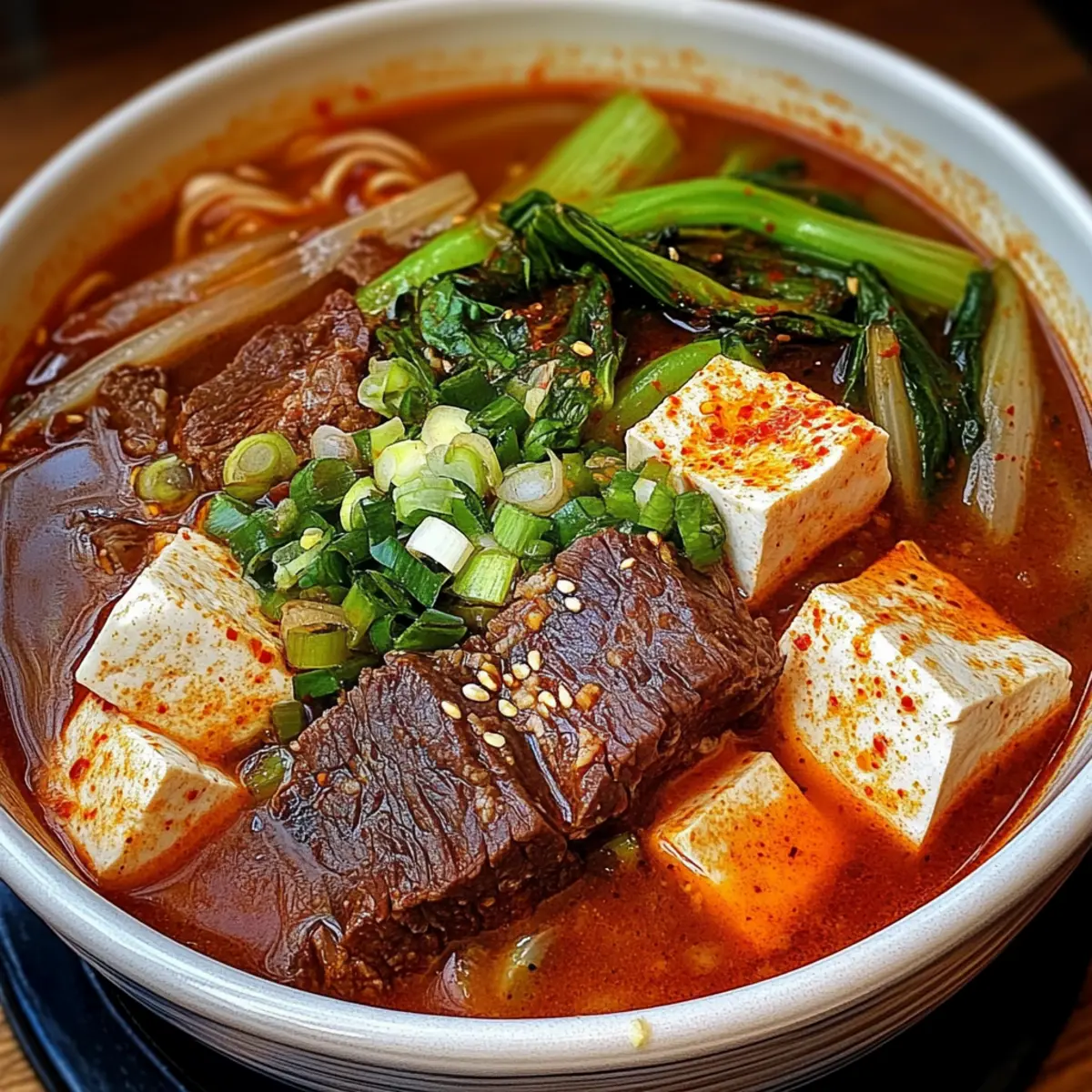
How to Store and Freeze Korean Winter Soup
Fridge: Store the soup in an airtight container for up to 3 days. Ensure it cools to room temperature before sealing to maintain its delicious flavors.
Freezer: Portion the soup into freezer-safe containers, leaving some space for expansion. It can be frozen for up to 3 months. To enjoy later, thaw in the refrigerator overnight before reheating.
Reheating: Gently reheat the Korean Winter Soup on the stove over low heat, stirring occasionally, or microwave in a covered bowl, stirring halfway to ensure even warmth.
Storage Tip: If you prefer to keep the texture of the tofu intact, consider adding it fresh when reheating instead of freezing it in the soup.
What to Serve with Korean Winter Soup
Warm your heart and elevate your meal with delightful sides that perfectly complement the comforting qualities of this savory soup.
-
Steamed White Rice: A fluffy, neutral base helps soak up the rich, spicy broth, offering a satisfying contrast to the soup’s robust flavors.
-
Crunchy Kimchi: The tangy and spicy profile of kimchi enhances every bite, adding a refreshing crunch that cuts through the soup’s warmth.
-
Pickled Vegetables: Bright and tangy, these veggies add a crisp texture and lively flavor, creating a delightful balance with the hearty soup.
-
Savory Korean Pancakes: These crispy pancakes provide a delightful crunch, their mild flavors pairing beautifully without overwhelming the soup’s richness.
-
Sesame Spinach Salad: A light, refreshing salad tossed with sesame dressing offers a vibrant contrast, balancing the heaviness of the soup with fresh greens.
-
Roasted Sweet Potatoes: The subtle sweetness and earthy flavor of roasted sweet potatoes bring warmth and a satisfying texture to your table.
-
Chilled Soba Noodles: These cold noodles provide a unique twist, bringing a refreshing element that’s perfect for dipping into the spicy broth.
Embark on a culinary adventure and create a comforting, heartwarming feast that lingers in your memory long after the last spoonful.
Variations & Substitutions for Korean Winter Soup
Feel free to get creative and customize this comforting Korean Winter Soup with these delightful variations.
-
Vegetarian Option: Replace beef brisket with hearty mushrooms and use vegetable broth for a savory, meat-free alternative.
-
Heat Levels: Adjust the spice by using mild gochugaru or adding fresh chili peppers for a fiery kick, satisfying every palate.
-
Dairy-Free Delight: Substitute firm tofu with coconut cream for a creamy texture without dairy, enhancing the soup’s richness beautifully.
-
Added Veggies: Include other seasonal vegetables like zucchini, carrots, or spinach for a nutritional boost and vibrant colors to the dish.
-
Miso Twist: Swap gochujang with miso paste mixed with chili powder for a different flavor profile that retains umami goodness in the broth.
-
Beef Varieties: Experiment with chuck roast or short ribs instead of brisket for different textures and flavors that will still keep the soul-warming essence.
-
Noodle Additions: For extra heartiness, add cooked noodles or rice cakes near the end of cooking, transforming the soup into a filling meal.
-
Garnish Ideas: Top with fresh herbs like cilantro or sesame seeds for added flavor and visual appeal, making each bowl a showstopper.
No matter which variations you choose, this soup welcomes personalization just like you would with comforting dishes such as Italian Meatball Soup or a hearty French Onion Soup. Enjoy experimenting and making this recipe your own!
Expert Tips for Korean Winter Soup
- Quality Beef: Choose high-quality beef brisket for the best texture and flavor; it makes the broth richer and more satisfying.
- Skim Regularly: Skimming impurities is crucial to keep your broth clear and flavorful; don’t skip this step for a polished final result.
- Customize Spice Levels: Adjust gochujang and gochugaru based on your heat preference; start with less and add more to suit your taste for this Korean Winter Soup.
- Vegetable Variations: Feel free to add other veggies like mushrooms or zucchini; just ensure they have similar cooking times for even tenderness.
- Taste as You Go: Always taste your soup while cooking, adjusting salt and pepper along the way to achieve the perfect flavor balance.
Make Ahead Options
These Korean Winter Soup options are perfect for busy home cooks looking to save time during the week! You can prepare the broth with the beef brisket and vegetables up to 24 hours in advance. Simply cook the soup until the vegetables are tender, then let it cool completely before transferring it to an airtight container and refrigerating. When you’re ready to enjoy this comforting meal, reheat the soup on the stovetop until it’s piping hot, adding a splash of water if necessary to achieve the desired consistency. To maintain its delicious flavors and textures, store the tofu separately in the fridge until you’re ready to heat everything together. You’ll end up with a big bowl of heartwarming Korean Winter Soup that tastes just as delightful as when it was freshly made!
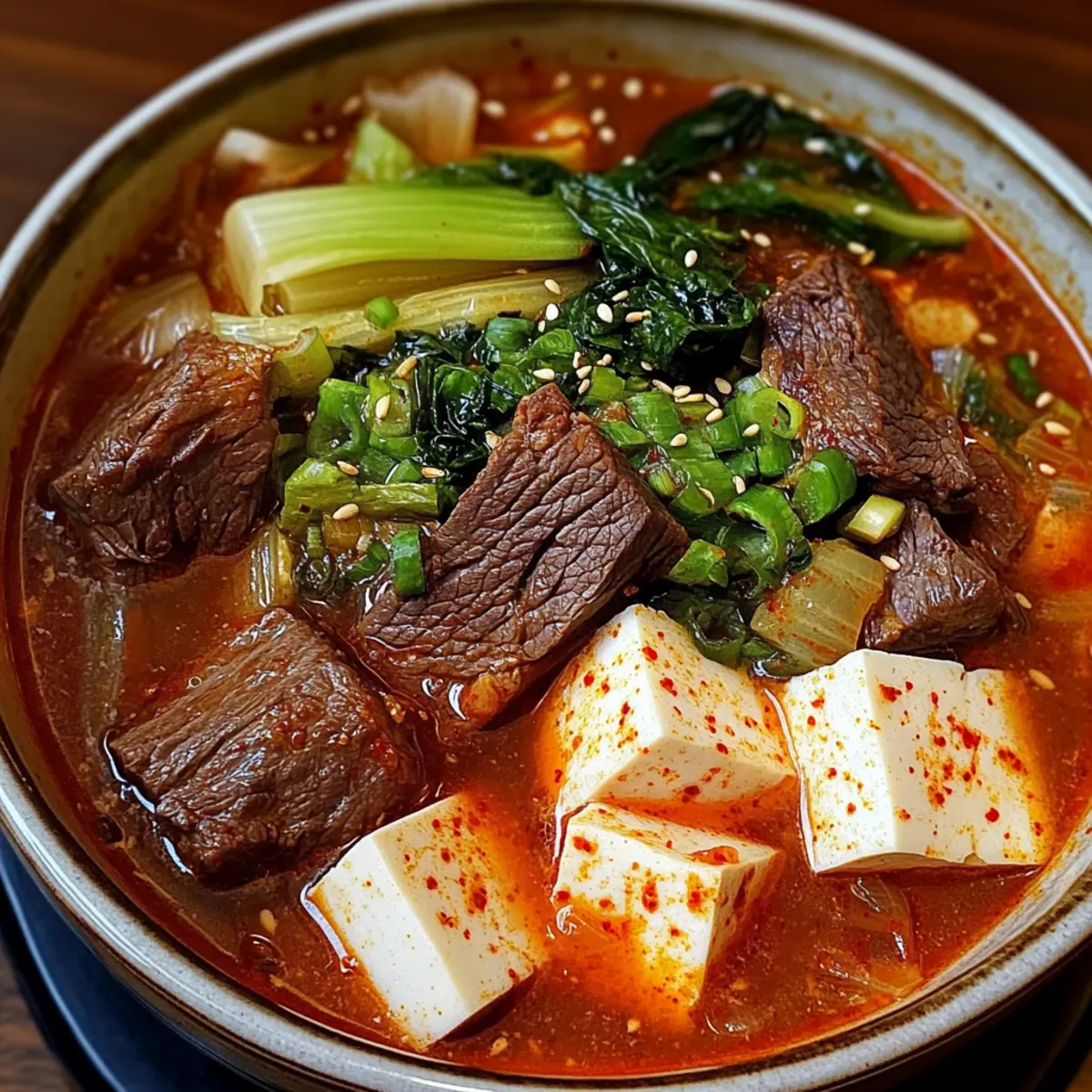
Korean Winter Soup Recipe FAQs
How do I select the best beef brisket for my soup?
Absolutely! When choosing beef brisket, look for meat that has a good amount of marbling, which adds flavor and tenderness. The ideal cut will have a bright red color with a bit of white fat running through it. Avoid briskets that appear overly dark or have dark spots, as this indicates aging. If you’re experimenting, chuck roast can be a lovely alternative for a different texture!
What is the best way to store leftover Korean Winter Soup?
Very! To store your delicious leftover soup, let it cool down to room temperature first. Then, transfer it into an airtight container and refrigerate for up to 3 days. Reheating is simple; just warm it on the stove over low heat, stirring occasionally until heated through.
Can Korean Winter Soup be frozen, and if so, how?
Definitely! Portion the soup into freezer-safe containers, ensuring to leave some space at the top for expansion. It can be stored in the freezer for up to 3 months. When you’re ready to enjoy it, simply thaw it overnight in the refrigerator. To reheat, warm it in a pot on the stovetop or in the microwave, stirring occasionally. For best results, I recommend adding fresh tofu just before serving to maintain its texture.
What if my soup is too salty or spicy?
No worries! If you find the soup has become too salty or spicy after cooking, you can dilute it by adding more water or unsalted broth. Start with a cup at a time, and let it simmer to blend the flavors. Adding more vegetables can also help absorb some saltiness while enhancing the flavor. Remember to taste as you adjust!
Is this recipe suitable for any dietary restrictions?
Yes! This Korean Winter Soup can be easily customized to accommodate various dietary needs. For a vegetarian option, simply omit the beef and replace it with mushrooms and vegetable broth. Additionally, if you have allergies to soy, consider substituting soy sauce with coconut aminos or a gluten-free version. Always check labels for any specific dietary needs!
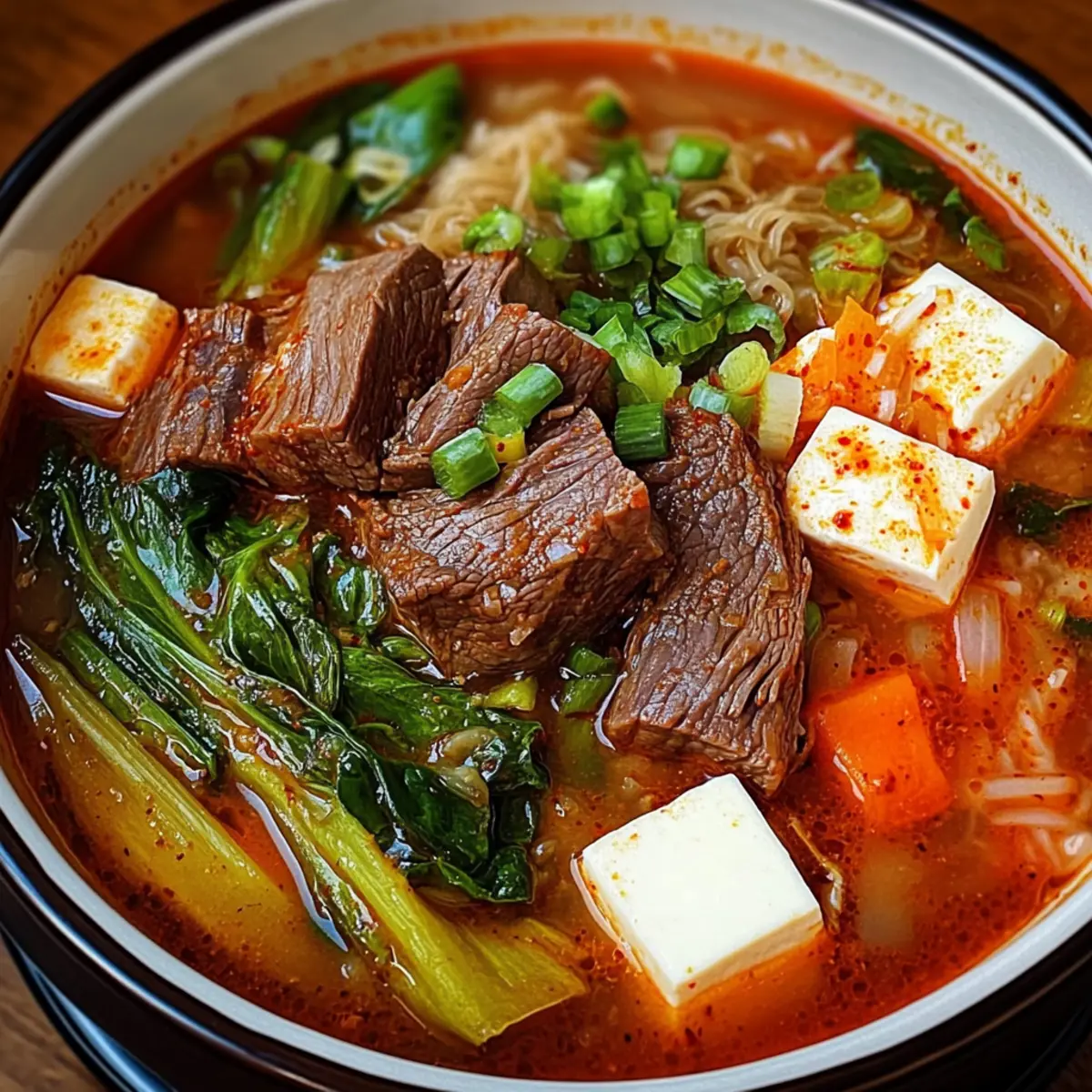
Korean Winter Soup: Heartwarming Comfort in Every Bite
Ingredients
Equipment
Method
- Combine the beef brisket with enough water to cover it in a large pot. Bring to a boil and then reduce heat to simmer for 30 minutes, keeping the lid slightly ajar.
- Skim off any impurities that have risen to the surface to achieve a clear broth.
- Incorporate soy sauce, gochujang, gochugaru, and minced garlic into the broth. Stir thoroughly and simmer for another 5 minutes.
- Add chopped onion, napa cabbage, firm tofu, and daikon radish to the pot. Stir gently and let simmer for 20 minutes.
- Heat sesame oil in a small pan. Sauté sliced green onions for 2-3 minutes, add to the pot.
- Season with salt and pepper to taste, adjusting as needed.
- Ladle soup into bowls and serve hot with white rice.
Leave a Reply