
The aroma of simmering Roma tomatoes fills the kitchen, a warm and inviting scent that instantly transports me to sun-soaked Italian landscapes. Today, I’m excited to share how to make tomato paste that captures the essence of summer harvests right in your own home. This simple 3-ingredient recipe not only enables you to create a rich, deeply concentrated paste but also transforms your sauces, soups, and stews into culinary masterpieces. Not only is it incredibly easy to prepare, but it also serves as a versatile pantry staple, making you feel proud every time you reach for it. Plus, with the satisfaction of canning your own creations, you can bring a touch of tradition and comfort to your cooking. Curious about this delightful kitchen project? Let’s dive into the process!
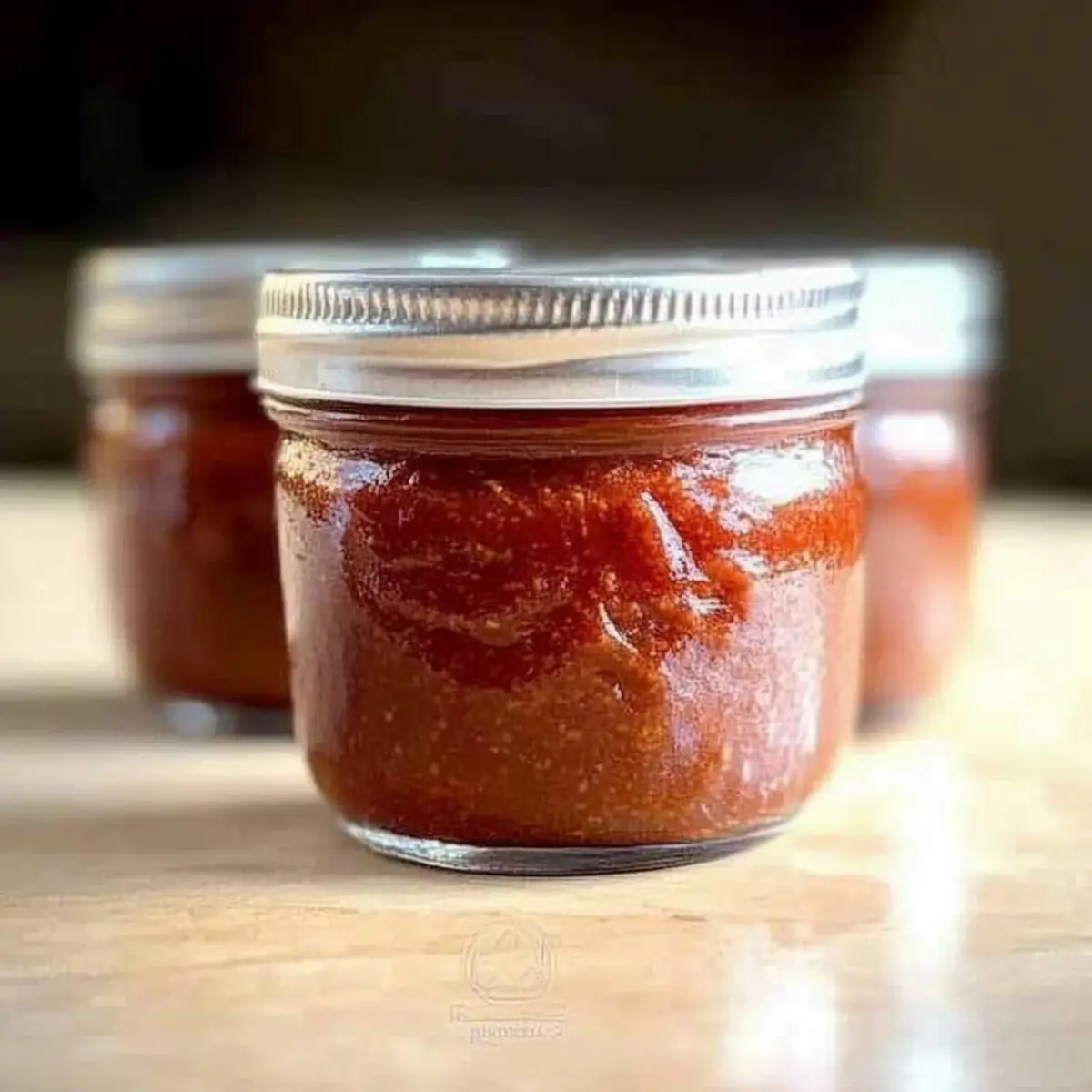
How to Make Tomato Paste at Home?
Simplicity at Its Best: This recipe uses just three basic ingredients—Roma tomatoes, olive oil, and bay leaves—making it not only easy to follow but also quick to whip up on a busy day.
Deep, Rich Flavor: The slow simmering process melds the natural sugars in the tomatoes, producing a concentrated flavor that elevates any dish.
Versatile Pantry Staple: Use your homemade paste as a base for pasta sauces, pizza, or soups, enhancing your meals with fresh, vibrant taste.
Canning Satisfaction: Experience the joy of canning your own food, giving you that gratifying sense of accomplishment every time you crack open a jar.
Nutrient Powerhouse: Packed with vitamins and minerals, this homemade tomato paste offers a healthy alternative to store-bought options, contributing to a balanced diet.
If you love creating your own pantry staples, check out my Delightful Pastel Halloween treats or learn how to master the Lime Flank Steak for a flavorful addition to your meal prep!
How to Make Tomato Paste Ingredients
• For the Paste
- Roma Tomatoes – A concentrated variety ideal for paste; substitute with plum tomatoes if necessary for a similar consistency.
- Olive Oil – Essential for sautéing and enhancing flavor; avocado oil is a great alternative if you prefer a different twist.
- Bay Leaf – Adds aromatic depth to your tomato paste; if unavailable, consider using fresh thyme for a lovely substitution.
Step‑by‑Step Instructions for How to Make Tomato Paste
Step 1: Prepare Tomatoes
Begin by thoroughly washing 8 pounds of Roma tomatoes under cool running water. After they are clean, roughly chop them into quarters, discarding any blemished parts. This step sets the foundation for your homemade tomato paste and will ensure that the natural flavors of these ripe tomatoes shine through.
Step 2: Sauté
In a large, heavy-bottomed pot, heat 2 tablespoons of olive oil over medium heat. Once the oil is shimmering, add the chopped tomatoes, stirring to combine. Allow the mixture to simmer for 20 to 30 minutes. You’ll notice the tomatoes softening, releasing their juices and forming a fragrant broth, which is essential for the richness of the tomato paste.
Step 3: Puree
After the tomatoes have softened, use a food mill to process the mixture, which helps remove the skins and seeds. Place the food mill over a clean bowl, and pour in the cooked tomatoes. Pass the tomato mixture through the mill, collecting the silky puree while discarding the solids. This step is crucial for achieving the smooth texture of your homemade tomato paste.
Step 4: Simmer Down
Return the smooth tomato puree to the pot and add 4 bay leaves for that delightful aromatic depth. Reduce the heat to low and let the mixture simmer gently. Stir often over a duration of 1.5 to 2 hours. You’ll notice it thickening and reducing in volume, transforming into a rich paste that is bursting with flavor and ready for preservation.
Step 5: Store
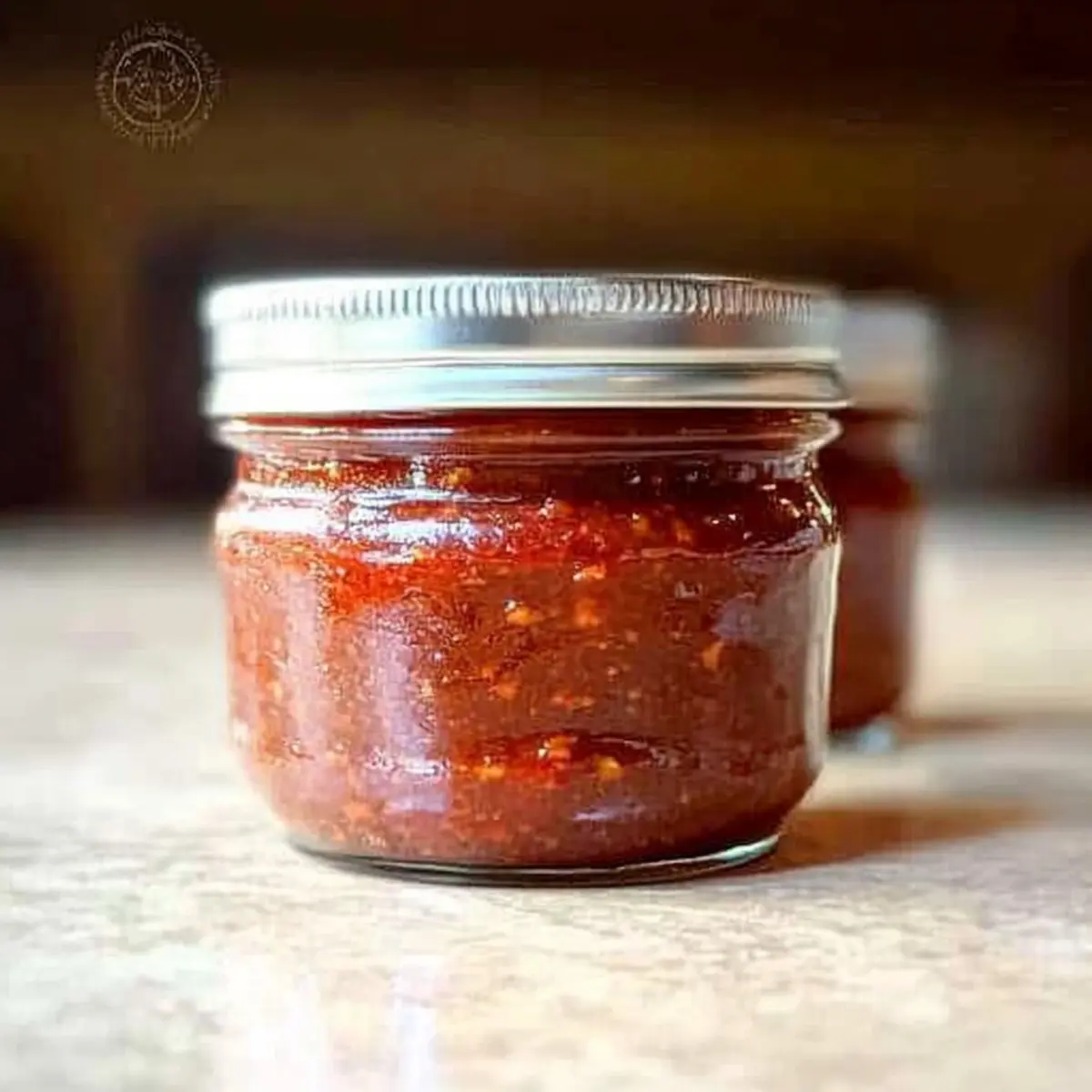
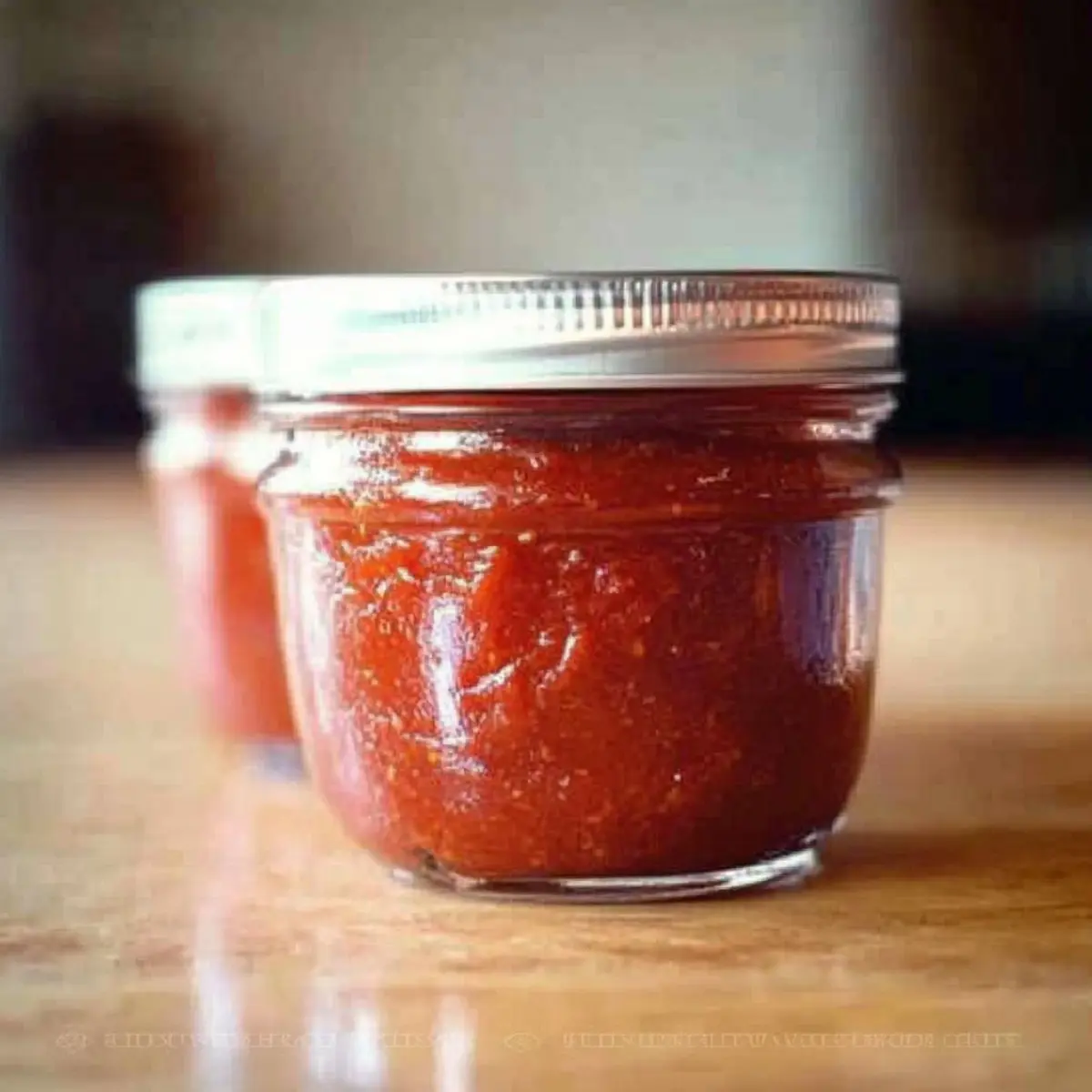
Once the tomato paste has reached a thick and velvety consistency, it’s time to transfer it into sterilized 4-ounce canning jars. Ensure you leave about ¼ inch of headspace in each jar. You can either water bath can for shelf storage or freeze the paste in ice cube trays for convenient portioning. Your homemade tomato paste is now ready to elevate every dish!
Expert Tips for Homemade Tomato Paste
• Temperature Control: Keep your heat low and steady to avoid burning, which can lead to unpleasant bitterness in your tomato paste.
• Stir Regularly: Stir the mixture often during the simmering phase to ensure it doesn’t stick to the pot, which is essential for a smooth, rich flavor.
• Quality Ingredients: Always use ripe, high-quality Roma tomatoes; poor-quality tomatoes will result in a less flavorful pasté.
• Storage Options: Consider freezing portions in ice cube trays for easy use later. This is a great way to ensure freshness when using your homemade tomato paste.
• Customization: Feel free to experiment with additional seasonings or herbs during the simmering process to make your tomato paste uniquely yours! Remember how to make tomato paste with variations that suit your palate.
What to Serve with Homemade Tomato Paste?
Imagine a delightful feast where every dish sings with the rich flavors of your homemade creations, elevating your meals to unforgettable experiences.
-
Creamy Risotto: The comforting creaminess of risotto pairs beautifully with the concentrated flavors of tomato paste, creating a harmonious dinner.
-
Garlic Bread: Crunchy, buttery toast topped with fresh garlic complements the earthy tones of tomato paste, perfect for dipping into sauces.
-
Fresh Basil Pesto: Vibrant and herbaceous, a dollop of basil pesto brightens the rich depth of your dishes, adding a fresh twist.
-
Roasted Vegetables: The smoky sweetness of roasted vegetables contrasts wonderfully with the deep tomato flavor, bringing balance to your plate.
-
Italian Flag Salad: A salad with juicy tomatoes, fresh mozzarella, and basil adds a refreshing bite that cuts through the richness of tomato paste.
-
Charcuterie Board: Pair your homemade paste on a cheese board with cured meats and crackers to showcase its versatility, pleasing every guest.
-
Sangiovese Wine: This Italian red wine complements the acidity of tomato paste, creating a lovely pairing that enhances any meal.
-
Tiramisu: End your feast on a sweet note. The coffee and cocoa flavors in tiramisu offer a delightful contrast after your savory dishes.
Variations & Substitutions
Looking to personalize your homemade tomato paste? Here are some delightful ways to tweak the recipe just for you!
-
Herb-Infused: Add fresh basil or oregano during the simmering process for a fragrant lift that captures the essence of Italian cooking.
Mixing herbs into your paste creates a depth of flavor that transports you to a sunny Italian vineyard. -
Spicy Kick: Toss in a pinch of red pepper flakes or a diced jalapeño to give your paste a fiery punch.
This variation brightens up sauces and soups, making every bite a delightful balance of sweet and spicy. -
Garlic Lovers: Incorporate roasted garlic while sautéing the tomatoes for a rich, savory flavor twist.
The sweetness of the roasted garlic plays beautifully with the tangy tomatoes, perfect for all garlic enthusiasts. -
Smoky Flavor: Stir in a teaspoon of smoked paprika for a touch of smokiness that adds complexity to the paste.
This subtle enhancement can transform ordinary dishes into smoky masterpieces, giving meals a unique character. -
Sweetness Boost: For a touch of sweetness, add a small grated carrot or a teaspoon of sugar while sautéing.
Balancing the acidity of the tomatoes with a hint of sweetness creates a well-rounded and flavorful paste. -
Vegan Twist: Opt for coconut oil instead of olive oil for a slightly different flavor profile that’s still vegan-friendly.
This substitution adds a subtle tropical twist, perfect for those who love experimenting with flavors! -
Pizza Magic: Experiment with Italian seasoning or parmesan rinds simmered with the tomatoes for a rich flavor ideal for pizza sauces.
This variation enhances your pizza night, giving it that authentic touch of Italian pizzerias.
Feeling inspired? These variations can take your homemade tomato paste to new heights! And if you’re looking to expand your culinary repertoire, why not check out my Applebee’s Chicken Wonton Tacos for a fun twist well beyond the jar!
Make Ahead Options
Making homemade tomato paste can be a true lifesaver for those busy weeknights! You can prepare the tomato puree up to 24 hours in advance. Simply follow the initial steps of washing, chopping, and sautéing the tomatoes, then puree them as directed and store the mixture in an airtight container in the refrigerator. When you’re ready to finish your tomato paste, simply return the puree to the pot with the bay leaves and simmer on low for 1.5 to 2 hours until thickened. This prep-ahead method allows you to savor that rich, homemade flavor without the last-minute rush, making your meals just as delightful and rewarding!
How to Store and Freeze Tomato Paste
-
Fridge: Store homemade tomato paste in an airtight container in the refrigerator for up to 1 week. Make sure to cover the surface with a thin layer of olive oil to prevent oxidation.
-
Freezer: Transfer the cooled tomato paste into ice cube trays to freeze individual portions. Once frozen, store the cubes in a freezer bag for up to 1 year. This way, you can conveniently add your homemade tomato paste to any dish.
-
Reheating: When ready to use your frozen tomato paste, simply thaw in the refrigerator overnight or toss a cube directly into your simmering sauces for a burst of flavor.

Homemade Tomato Paste Recipe FAQs
How do I choose the best tomatoes for making tomato paste?
Absolutely! For the best results, opt for Roma tomatoes, known for their dense flesh and lower moisture content, making them ideal for paste. If they’re not available, plum tomatoes can be a suitable substitute. Look for tomatoes that are firm, fragrant, and without any dark spots all over, which indicates ripeness.
How should I store my homemade tomato paste?
To store, place your homemade tomato paste in an airtight container in the refrigerator; it will keep fresh for up to a week. It’s helpful to cover the surface with a thin layer of olive oil to prevent oxidation. For longer storage, you can transfer it into sterilized jars and use water bath canning or freeze it in ice cube trays for up to a year.
Can I freeze tomato paste, and how should I do it?
Yes, absolutely! To freeze your tomato paste, first allow it to cool completely. Then, spoon the cooled paste into ice cube trays, filling them about three-quarters full. Once frozen solid, transfer the cubes into a labeled freezer bag. This way, you can easily pop out a cube whenever you need it, and it will retain its rich flavor for up to a year.
What if my tomato paste is too watery?
If your tomato paste turns out watery, don’t worry! You can continue simmering it on low heat for a longer period, stirring frequently until the excess liquid evaporates and the paste thickens to your desired consistency. Patience is key—this process may take an extra hour or so, but it will deepen those flavors wonderfully!
Is there a special dietary consideration for my tomato paste?
While this homemade tomato paste is naturally vegetarian and can be vegan, it’s always important to consider allergies. If you’re preparing for someone with dietary restrictions, be sure to use fresh, organic ingredients to minimize the risk of contaminants and check for any specific vegetable or oil allergies, especially with the olive oil or any herbs you add.
Can I incorporate herbs or spices into my tomato paste?
Very much so! Feel free to personalize your tomato paste by adding roasted garlic, basil, or oregano while it simmers. This infuses your paste with additional flavors, making it even more delightful for your dishes. Just remember to keep the herbs fresh and adjust according to your taste preferences!
How to Make Tomato Paste that Elevates Every Dish
Ingredients
Equipment
Method
- Begin by thoroughly washing the Roma tomatoes under cool running water. Chopped them into quarters, discarding any blemished parts.
- In a large, heavy-bottomed pot, heat olive oil over medium heat. Once shimmering, add the chopped tomatoes, stirring to combine. Allow to simmer for 20 to 30 minutes.
- Use a food mill to process the mixture, removing skins and seeds, and collecting the silky puree.
- Return the smooth tomato puree to the pot and add bay leaves. Reduce heat to low and simmer for 1.5 to 2 hours, stirring often.
- Transfer the tomato paste into sterilized canning jars, leaving ¼ inch of headspace. Can or freeze as preferred.
Leave a Reply