
The aroma of sizzling shrimp filled the kitchen, and I could hardly hold back my excitement. Today, we’re diving into the tropical delight of Chinese Coconut Shrimp, a dish that brings the beach vibes straight to your dinner table. This recipe not only delivers a perfect balance of sweet and savory flavors but also offers quick prep time—ideal for those busy weeknights or when you have guests. Imagine crispy, golden-brown shrimp encased in a crunchy coconut crust; it’s a crowd-pleaser that’s simple to whip up and pairs beautifully with various dips. Whether you’re crafting a delicious weeknight meal or impressing friends at your next gathering, this dish is sure to make waves. Are you ready to create a seafood sensation that feels just like a tropical getaway? Let’s get cooking!
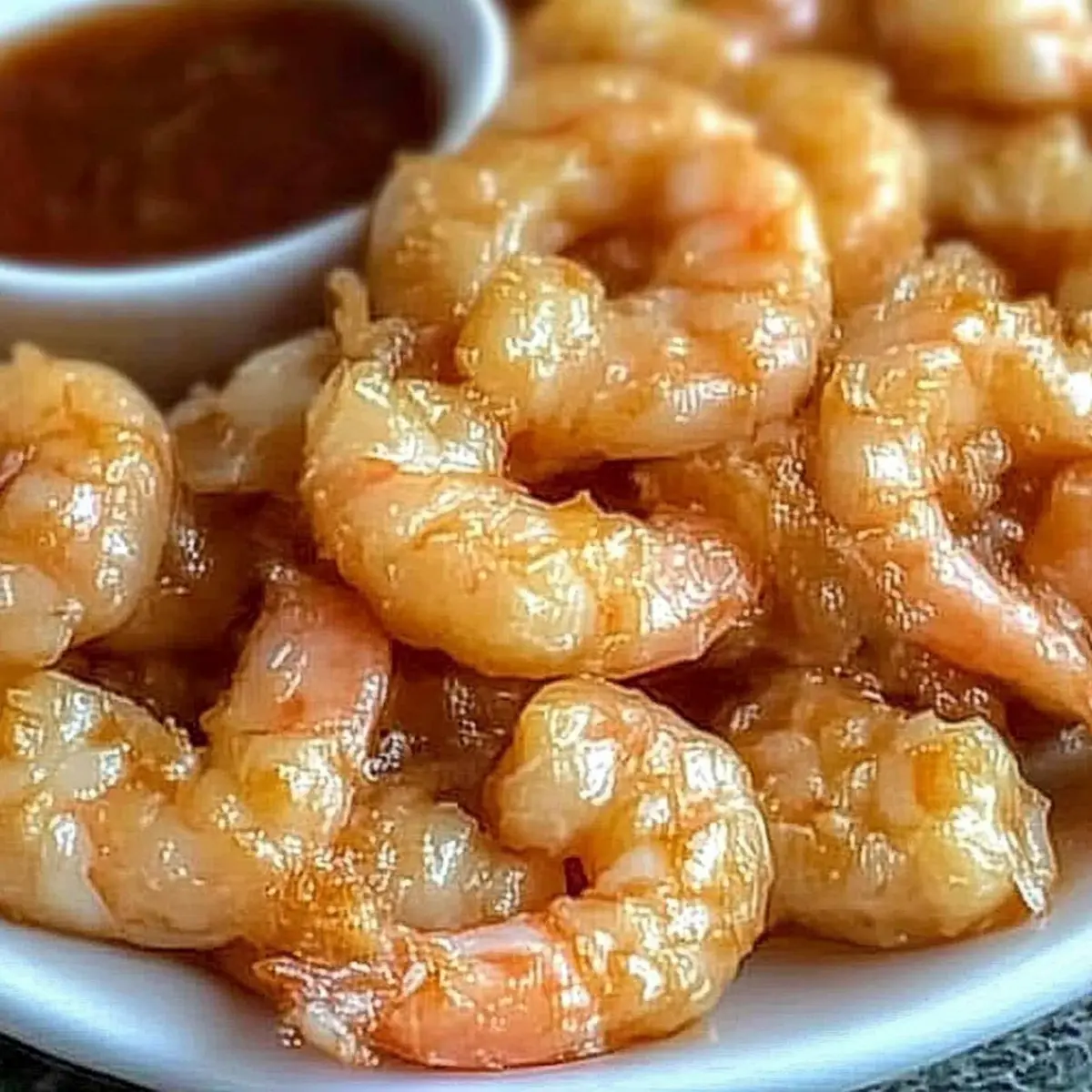
Why is This Recipe a Must-Try?
Simplicity: The preparation is quick and requires minimal ingredients, making it perfect for home cooks of all levels.
Flavor Explosion: The blend of sweet coconut and savory shrimp creates an unforgettable taste that dances on your palate.
Versatile Enjoyment: Pair these shrimp with different dipping sauces, like sweet chili or homemade tartar, for endless flavor combinations.
Crowd-Pleasing Appeal: Whether it’s a family dinner or a gathering with friends, this dish is certain to please everyone at the table.
Make-Ahead Option: Prep shrimp in advance and store them properly, so you can enjoy a homemade meal even on the busiest nights, just like my Coconut Crusted Salmon recipe!
Healthy Indulgence: Enjoy a guilt-free treat rich in protein and healthy fats, without sacrificing your health goals.
Chinese Coconut Shrimp Ingredients
• Refresh your kitchen and delight your taste buds with this simple and scrumptious recipe!
For the Shrimp
- Large Shrimp – Fresh, large shrimp yield the best flavor and texture; don’t forget to devein them!
For the Coating
- Coconut Flakes – Unsweetened coconut flakes add a tropical crunch and balance out the sweetness.
- Eggs – These act as a binding agent; for a vegan twist, try a flax egg instead.
- Flour – All-purpose flour creates a crisp coating; substitute with gluten-free flour to make it suitable for gluten-sensitive eaters.
- Salt – Essential for enhancing the overall flavor; adjust to your preference.
- Pepper – Optional for a hint of heat; tailor it to your spice tolerance.
For Frying
- Oil – Coconut oil gives a tropical touch; vegetable oil works just as well for a neutral flavor.
This Chinese Coconut Shrimp recipe promises to be a guaranteed hit at your dinner table, making every bite a celebration!
Step‑by‑Step Instructions for Chinese Coconut Shrimp
Step 1: Prep the Shrimp
Begin by cleaning and deveining your shrimp, making sure to remove the shells for a clean presentation. Pat each shrimp dry with paper towels; this helps the coating stick better. You’ll want large, fresh shrimp for the best flavor and texture. This step sets the foundation for a delightful Chinese Coconut Shrimp experience.
Step 2: Set Up Breading Station
Prepare three shallow bowls to create your breading station. In the first bowl, add flour seasoned with salt and pepper. In the second bowl, beat a couple of eggs until smooth, creating a binding mixture. Finally, fill the third bowl with unsweetened coconut flakes, which will provide that irresistible crunch. This setup ensures a smooth and efficient coating process for your shrimp.
Step 3: Coat Shrimp
To coat each shrimp, first dredge it in the seasoned flour, shaking off any excess. Next, dip the floured shrimp into the egg mixture, allowing the extra liquid to drip off. Finally, roll each shrimp in the coconut flakes, pressing gently to form an even coating. Repeat this process until all shrimp are beautifully coated, ready to be transformed into crispy Chinese Coconut Shrimp.
Step 4: Heat Oil
In a deep pan or skillet, pour enough oil to cover the bottom about 1/2 inch deep. Heat the oil over medium-high heat until it shimmers—this usually takes about 5 minutes. To test the temperature, drop a small piece of bread into the oil; if it sizzles and browns quickly, it’s hot enough. This crucial step ensures your Chinese Coconut Shrimp will fry to perfection.
Step 5: Fry Shrimp
Once the oil is ready, carefully place the coated shrimp into the hot oil in small batches, ensuring not to overcrowd the pan. Fry each shrimp for 2–3 minutes on one side until golden brown. Using tongs, flip them and fry for another 2–3 minutes until both sides are crispy and the shrimp are opaque. Watch for that perfect golden color to signify they’re done.
Step 6: Drain and Serve
After frying, use a slotted spoon to remove the shrimp from the oil. Transfer them to a plate lined with paper towels to absorb excess oil. This step ensures your Chinese Coconut Shrimp is crispy and not greasy. Serve warm with a favorite dipping sauce, and enjoy the tropical flavors in every bite as they quickly disappear from the table!
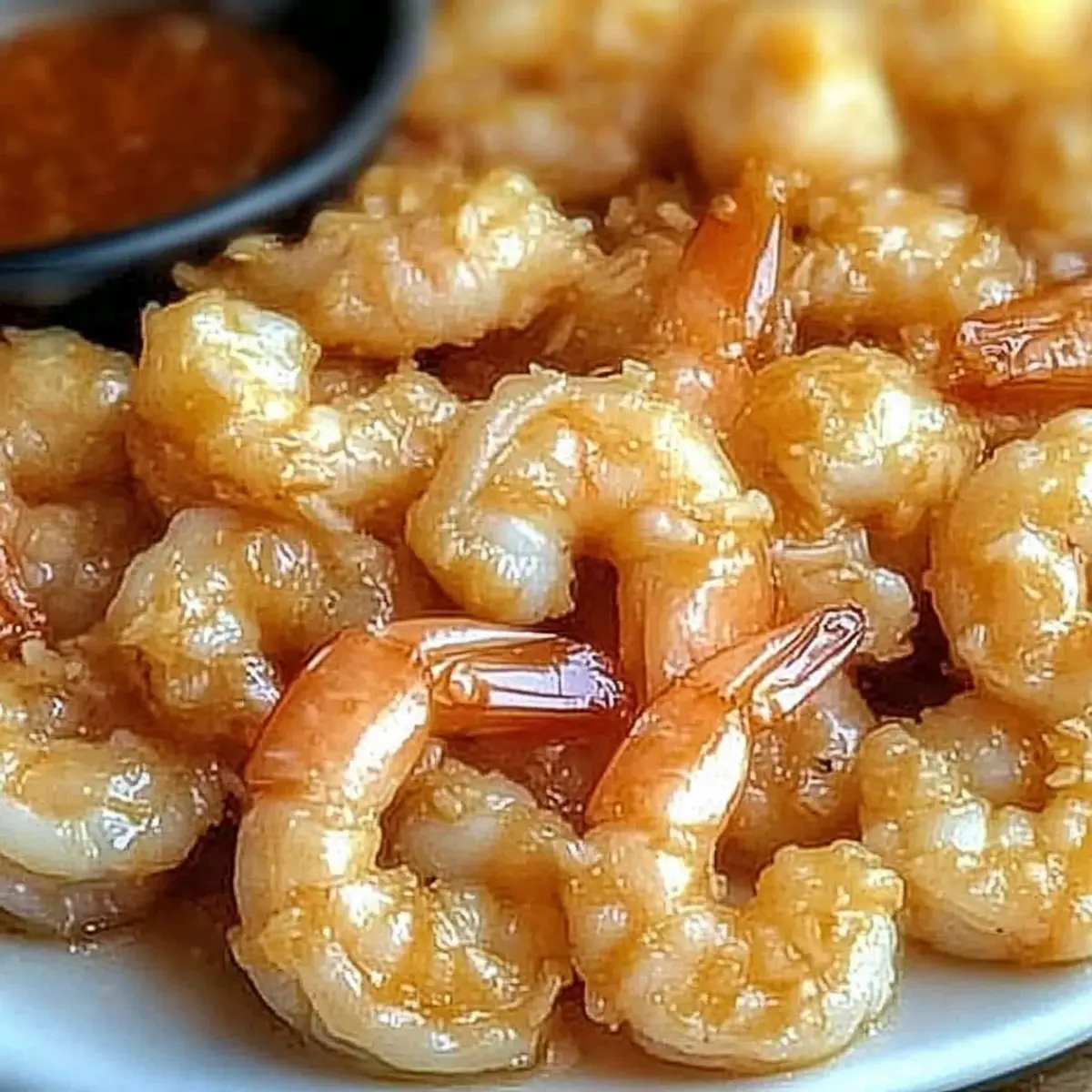
What to Serve with Chinese Coconut Shrimp
Elevate your tropical dinner experience with delightful accompaniments that complete the meal and tease your taste buds.
-
Steamed Jasmine Rice: Fluffy and fragrant, this rice pairs beautifully by soaking up the shrimp’s delectable dipping sauce while providing a simple yet satisfying base.
-
Mango Salsa: Fresh, zesty, and slightly sweet, mango salsa offers a vibrant burst of flavor that perfectly complements the coconut shrimp’s crunchy texture.
-
Crispy Thai Spring Rolls: These light and crunchy rolls add a delightful finish, showcasing fresh vegetables and herbs that balance the richness of the shrimp.
-
Asian Slaw: A refreshing blend of cabbage, carrots, and tangy dressing creates a crunchy contrast, enhancing the overall dining experience with its crisp and vibrant texture.
-
Coconut Curry Sauce: Rich and creamy with a hint of spice, this sauce is an excellent dip for your shrimp, amplifying their tropical flavors while adding warmth.
-
Cold Coconut Water: A refreshing drink to cleanse the palate, coconut water beautifully mirrors the tropical theme, keeping the meal light and revitalizing.
Pairing these delightful additions with your Chinese Coconut Shrimp will take your meal on a delicious tropical adventure, tantalizing your guests and creating lasting memories.
Chinese Coconut Shrimp Variations Stunning
Feel free to get creative and tailor this recipe to suit your taste buds! Each twist opens up a world of flavor possibilities.
-
Dairy-Free: Use plant-based milk instead of eggs for a vegan option that keeps the shrimp crispy.
-
Gluten-Free: Substitute all-purpose flour with rice flour or a gluten-free flour blend for a crispy alternative that everyone can enjoy.
-
Spicy Kick: Mix in some cayenne pepper or red pepper flakes into the coconut coating for an enticing heat that complements the shrimp’s sweetness beautifully. This variation turns up the flavor and creates a delightful surprise with each bite.
-
Herbaceous Twist: Add fresh herbs like cilantro or basil to the coconut mixture for an extra layer of flavor that brightens the dish. Imagine those aromatic notes dancing with each tender bite of shrimp!
-
Crispy Seaweed: For a unique flavor experience, mix crushed nori (seaweed) into the coconut flakes; this adds a hint of umami and gives a subtle nod to Asian cuisine. It’s a delightful surprise twist!
-
Chicken Alternative: Swap shrimp for chicken tenderloins for a non-seafood variation that still captures the essence of this dish; just adjust cooking times to ensure juicy, tender bites.
-
Tropical Add-ins: Incorporate crushed pineapple into the coconut mixture for a burst of natural sweetness and a subtle tropical flair, making your dish an island-inspired treat.
-
Coconut Broth Clams: If you’re looking to pair your shrimp adventure with another dish, try some Coconut Broth Clams as a perfect side. They’re both flavorful and keep the tropical vibe alive!
Each of these variations allows you to elevate your culinary experience, making the beloved Chinese Coconut Shrimp your own! Enjoy experimenting!
Expert Tips for Chinese Coconut Shrimp
-
Hot Oil Magic: Ensure your oil is hot enough before adding the shrimp. Use a thermometer to check if it’s around 350°F for ideal crispiness.
-
Dry Shrimp: Patting the shrimp dry before coating is key—this helps the coconut adhere better and prevents the coating from falling off during frying.
-
Avoid Overcrowding: Fry shrimp in small batches to maintain oil temperature, preventing soggy coating. This ensures each piece is perfectly crispy.
-
Dipping Sauce Variety: Experiment with different dips! Sweet chili sauce or homemade tartar complement the flavors of the Chinese Coconut Shrimp beautifully.
-
Storage Tips: If you have leftovers, store shrimp in an airtight container in the fridge for up to two days. Reheat in a toaster oven for the best crunch.
How to Store and Freeze Chinese Coconut Shrimp
Fridge: Store leftover Chinese Coconut Shrimp in an airtight container for up to 2 days to maintain its flavor and texture.
Freezer: For longer storage, freeze the raw coated shrimp on a baking sheet before transferring them to a freezer bag. They can last for up to 3 months.
Reheating: Reheat leftovers in a toaster oven for 5-7 minutes at 350°F for maximum crispiness, avoiding sogginess commonly caused by microwave reheating.
Thawing: If frozen, thaw shrimp in the refrigerator overnight before cooking or frying them to enjoy the crispy deliciousness once again!
Make Ahead Options
Preparing Chinese Coconut Shrimp ahead of time is a fantastic way to save time during busy weeknights! You can clean and devein the shrimp up to 24 hours in advance, storing them in an airtight container in the refrigerator to keep them fresh. Additionally, you can set up your breading station (flour, egg, and coconut flakes) and keep the bowls covered in your fridge for 3 days. When you’re ready to cook, simply coat the shrimp and fry them as directed. This method ensures your shrimp will be just as delicious and maintain their crispiness, making meal prep a breeze!
Chinese Coconut Shrimp Recipe FAQs
What type of shrimp should I use for this recipe?
Absolutely! For the best flavor and texture, I recommend using large, fresh shrimp. If possible, opt for shrimp that are wild-caught. If you’re in a pinch, frozen shrimp can work, but make sure to properly thaw and pat them dry before coating.
How should I store leftovers after cooking?
Leftover Chinese Coconut Shrimp can be stored in an airtight container in the refrigerator for up to 2 days. To keep them crispy when reheating, I often place them in a toaster oven at 350°F for around 5-7 minutes. This method helps restore their delightful crunch—not as soggy as a microwave!
Can I freeze Chinese Coconut Shrimp?
Yes, you can! To freeze, first, coat your shrimp as instructed, then lay them out on a baking sheet in a single layer. Let them freeze for about 1-2 hours until solid. Once frozen, transfer them to a freezer-safe bag or container. They can last up to 3 months. To cook them, simply thaw in the refrigerator overnight and then fry as directed!
What issues might I encounter when frying my shrimp?
If your shrimp are turning out soggy, the oil might not be hot enough. Make sure to preheat the oil until it shimmers, ideally around 350°F. Too many shrimp in the pan can also drop the oil temperature, so fry in smaller batches for that perfect golden crispiness. If you notice the coating falling off, be sure to pat the shrimp dry before coating and avoid overcrowding.
Are there any dietary considerations I should be aware of?
Very! If anyone dining with you has allergies, ensure that they aren’t allergic to shellfish. For those following a gluten-free diet, simply substitute regular flour with gluten-free flour for the coating. If you’d like a vegan option, try replacing the eggs with a flax egg (1 tablespoon ground flaxseed mixed with 2.5 tablespoons water, let sit until gelatinous) for binding. This can be a delicious alternative that still holds up well in the cooking process.
How do I choose the right coconut flakes?
When selecting coconut flakes, look for unsweetened varieties to keep the balance of flavors in check. Sweetened coconut can lead to an overly sweet dish, taking away from the savory elements of the shrimp and leaving your taste buds confused. Look for flakes that are naturally white and fluffy, without any dark spots, which can indicate staleness.
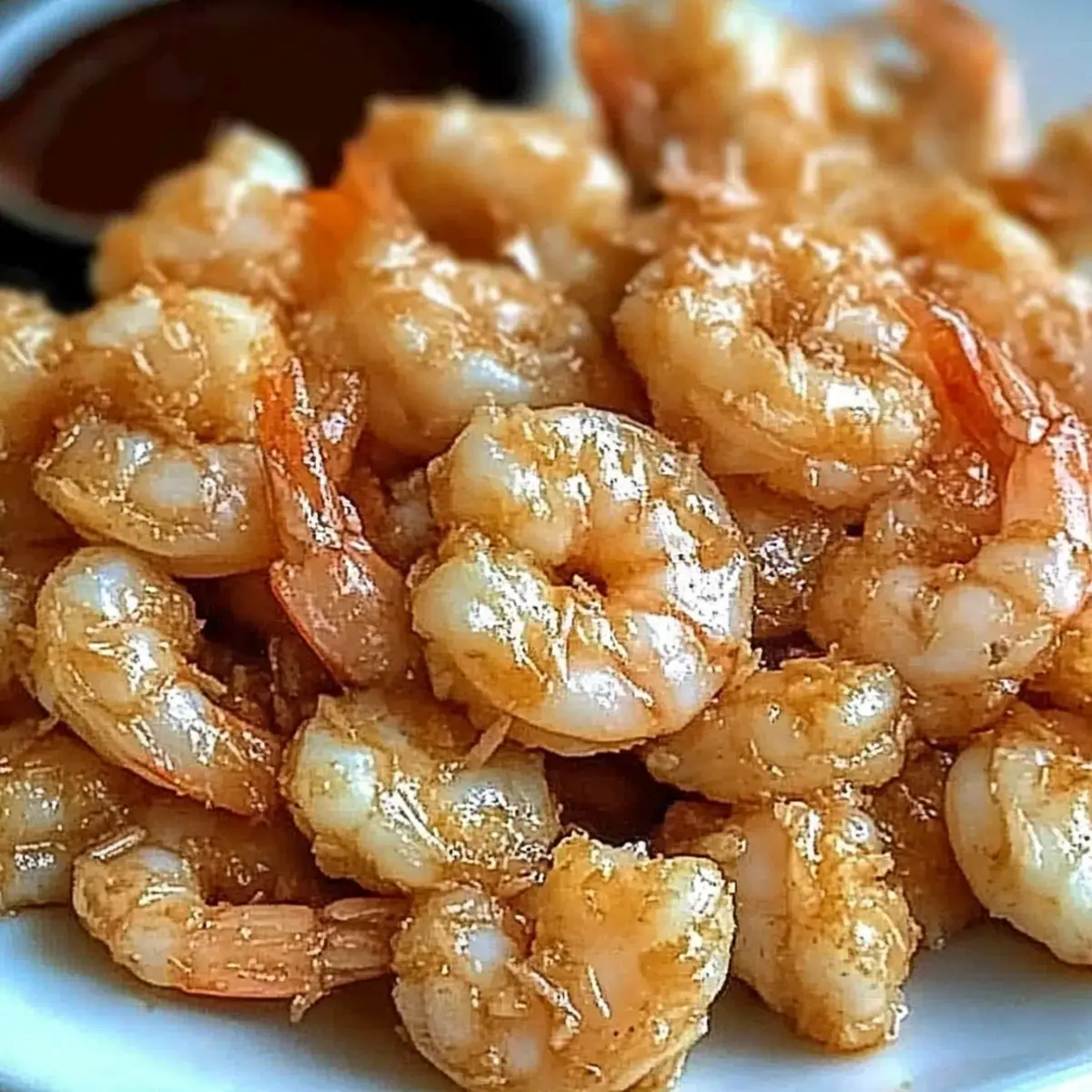
Crispy Chinese Coconut Shrimp for a Tropical Flavor Adventure
Ingredients
Equipment
Method
- Begin by cleaning and deveining your shrimp, making sure to remove the shells. Pat each shrimp dry with paper towels.
- Prepare three shallow bowls: one with seasoned flour, one with beaten eggs, and one with coconut flakes.
- Dredge shrimp in the flour, dip into the egg, and roll in coconut flakes until well coated.
- Heat oil in a deep pan over medium-high heat until it shimmers.
- Fry the coated shrimp in small batches for 2-3 minutes on each side until golden and opaque.
- Remove shrimp with a slotted spoon and drain on paper towels before serving.
Leave a Reply