
As I stood by the stove, the gentle simmering of my Nova Scotia Seafood Chowder transported me to the rugged coastline, where the salty breeze mingles with the rich aroma of the sea. This dish isn’t just a meal; it’s a warm embrace in a bowl, celebrating the freshest catch in all its comforting glory. What I love most about this chowder is its remarkable simplicity—whipping it up is a breeze, even on the busiest of days, making it a crowd-pleaser that’s perfect for family dinners or cozy gatherings. Plus, its adaptable nature means you can switch out seafood and vegetables based on what you have on hand. Ready to dive into a recipe that’s all about nourishing flavors and hearty goodness? Let’s get cooking!
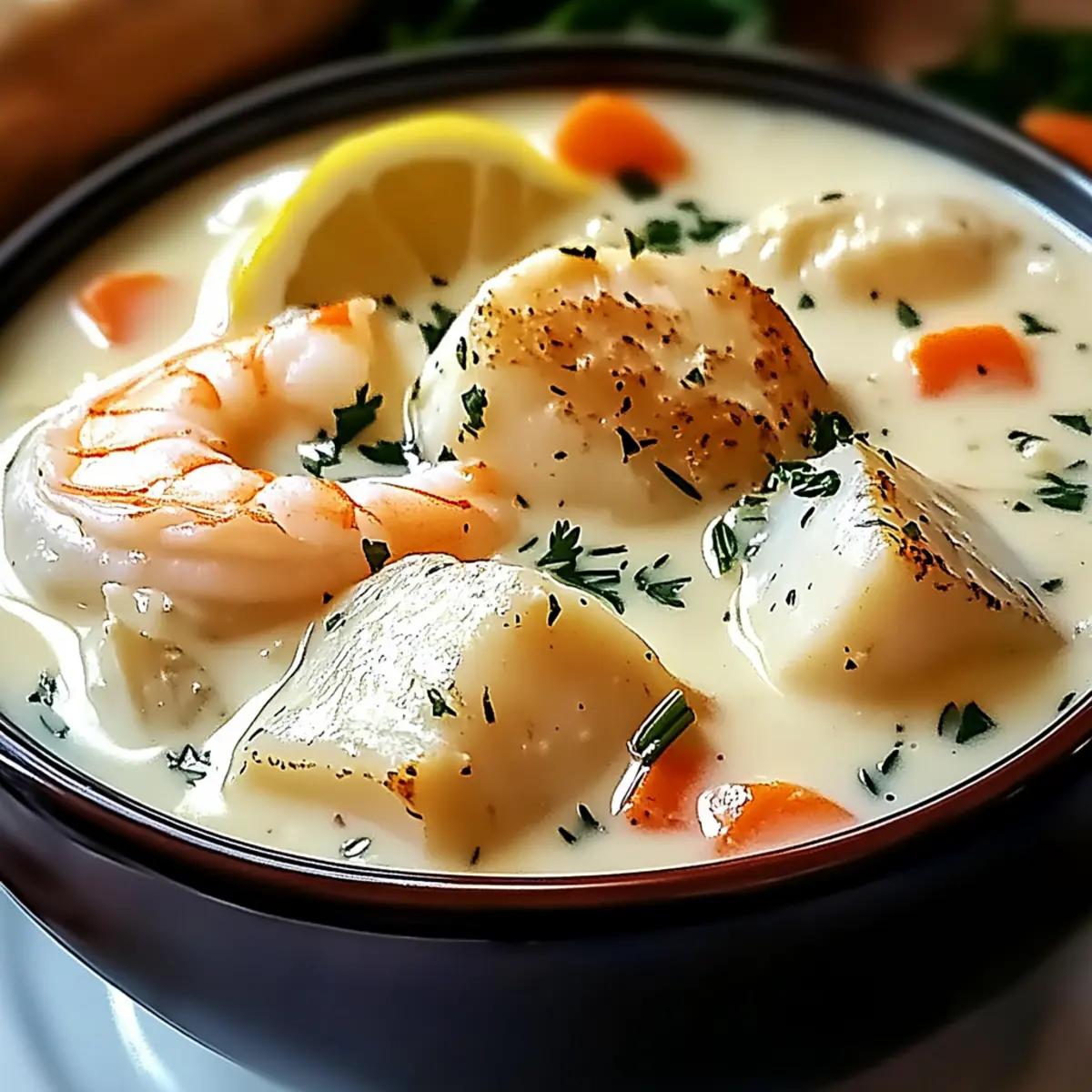
Why is This Chowder So Special?
Comforting warmth: This Nova Scotia Seafood Chowder is like a cozy hug, perfect for chilly evenings and quick family dinners.
Versatility at its Best: Easily swap seafood and veggies to fit your pantry, whether you have fresh or frozen options on hand.
Quick & Simple: With just a few easy steps, you can create an impressive dish that doesn’t require mastering intricate techniques.
Rich, Flavorful Base: The combination of seafood stock, cream, and fresh herbs brings a depth of flavor that delights the senses, promising to become a favorite.
Crowd-Pleasing Appeal: Serve this chowder at your next gathering, and watch it disappear—guaranteed satisfaction for seafood lovers and comfort food enthusiasts alike! For other seafood inspirations, don’t forget to check out our Delightful Stuffed Seafood and Coconut Broth Clams recipes.
Nova Scotia Seafood Chowder Ingredients
• Create your own cozy bowl with these fresh, flavorful ingredients!
-
For the Seafood Base
-
White Fish (haddock, cod, or halibut) – Adds texture and heartiness; use firm, flaky varieties for the best results.
-
Shrimp – Provides a sweet, succulent bite; fresh is ideal, but thawed frozen works too.
-
Scallops – Tender morsels that elevate flavor; avoid overcooking to maintain tenderness.
-
Mussels or Clams (optional) – Introduce briny goodness for variety; ensure mussels are opened before serving.
-
For the Vegetables
-
Small Onion (diced) – Brings a natural sweetness to the chowder base.
-
Celery Stalks (diced) – Adds a delightful crunch and fresh aroma.
-
Medium Carrot (diced) – Offers vibrant color and subtle sweetness.
-
Medium Potatoes (peeled & diced) – Thickens the chowder, contributing to its rich texture.
-
For the Liquids
-
Seafood Stock – Essential for a rich flavor; homemade or store-bought works great.
-
Heavy Cream – Creates a luxurious, creamy texture in every spoonful.
-
Whole Milk – Balances the richness; substitute part of the cream for a lighter option.
-
For Seasoning & Garnish
-
Salt – Enhances all the flavors.
-
Black Pepper – Adds a touch of warmth.
-
Thyme – Earthy accents that complement seafood beautifully.
-
Old Bay Seasoning (optional) – A classic seasoning blend that boosts flavors.
-
Butter – Used for sautéing veggies; enriches the broth.
-
Garlic (minced) – Adds aromatic depth for an irresistible flavor.
-
Fresh Parsley (chopped) – Provides freshness and a pop of color.
-
Lemon Juice – Brightens up the flavors right at the end.
This wonderful collection of ingredients is what makes the Nova Scotia Seafood Chowder so special, allowing it to shine with comfort and warmth in every bite!
Step‑by‑Step Instructions for Nova Scotia Seafood Chowder
Step 1: Sauté Vegetables
In a large pot, melt 3 tablespoons of butter over medium heat. Once shimmering, add 1 diced onion, 2 diced celery stalks, and 1 diced carrot. Sauté these vegetables for about 3-4 minutes until they soften and become fragrant. Stir in 2 minced garlic cloves and cook for an additional minute, letting the aromatic flavors bloom.
Step 2: Prepare Base
Add 2 diced medium potatoes and 4 cups of seafood stock to the pot, bringing it to a gentle simmer. Allow the mixture to simmer for approximately 10 minutes, or until the potatoes are fork-tender and fully cooked. This step builds the rich flavor base essential for the Nova Scotia Seafood Chowder.
Step 3: Combine Dairy & Season
Reduce the heat to low and gradually stir in 1 cup of heavy cream and 1 cup of whole milk, mixing until well combined. Season the chowder with salt, black pepper, thyme, and, if desired, optional Old Bay seasoning. Continue to stir, ensuring the mixture is creamy and beautifully blended, for about 2 minutes.
Step 4: Cook Seafood
Gently fold in 1 pound of white fish, 1 pound of shrimp, 1 pound of scallops, and if using, about 1 pound of mussels. Simmer the chowder gently for 5-7 minutes, carefully watching that it doesn’t boil, until the seafood is cooked through and opaque. Keep an eye on the colors for perfect doneness!
Step 5: Finish & Serve
Remove the chowder from heat and stir in ¼ cup of chopped fresh parsley and juice from 1 lemon for a fresh burst of flavor. Adjust seasoning if needed. Ladle the warm Nova Scotia Seafood Chowder into bowls, garnishing with more parsley if desired. Serve immediately alongside crusty bread or crackers for a delightful meal.
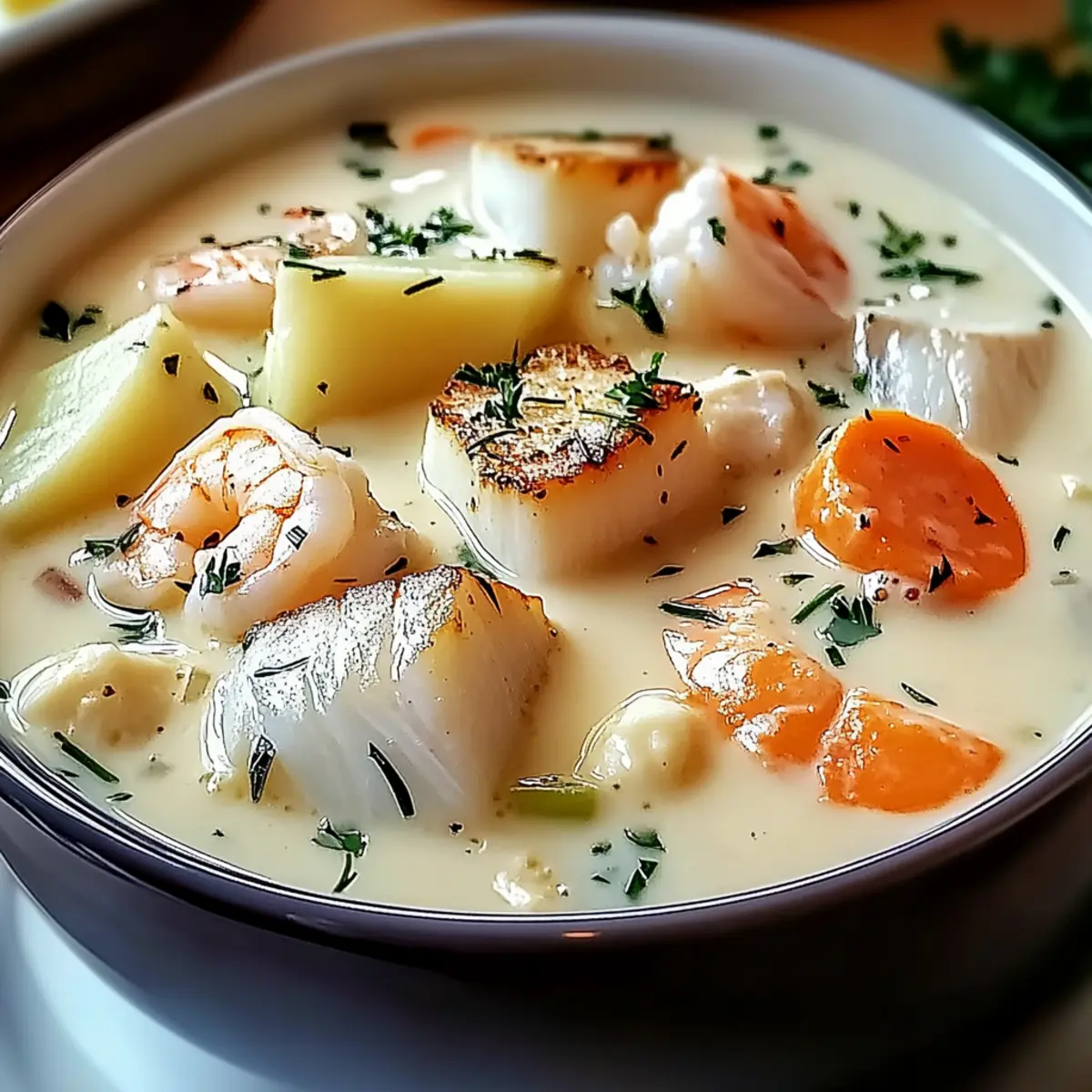
How to Store and Freeze Nova Scotia Seafood Chowder
Fridge: Store leftover chowder in an airtight container for up to 3 days. Allow it to cool completely before sealing to maintain freshness.
Freezer: For longer storage, freeze the chowder in portions for up to 2 months. Use freezer-safe containers, leaving some space for expansion.
Reheating: Thaw in the fridge overnight and reheat gently in a pot over low heat, stirring occasionally. Avoid boiling to prevent overcooking the seafood.
Tip: If the chowder seems thick after freezing, stir in some additional seafood stock or milk while reheating to restore its creamy consistency.
Nova Scotia Seafood Chowder Variations
Feel empowered to tailor your Nova Scotia Seafood Chowder, infusing it with flavors that resonate with your palate and available ingredients!
-
Dairy-Free: Substitute coconut milk for heavy cream, creating a deliciously tropical twist.
-
Add Spice: For those who like a kick, toss in some diced jalapeños or a few dashes of your favorite hot sauce. This addition will awaken your taste buds with a zesty flair!
-
Smoky Flavors: Incorporate smoked fish for a rich, deep flavor profile. The smokiness adds a lovely layer of complexity that complements the seafood beautifully.
-
Vegetable Boost: Enhance your chowder by adding corn, fresh spinach, or colorful bell peppers. These not only add nutrition but also transform the dish into a wholesome, hearty meal.
-
Gluten-Free: Use gluten-free seafood stock if you need a gluten-free chowder. It’s just as tasty and ensures everyone can enjoy it!
-
Herb Variation: Try experimenting with herbs like dill or cilantro instead of thyme for a different aromatic experience. Each will impart its own unique character!
-
Texture Variation: For a creamier texture, blend a portion of the chowder and then stir it back in. This way, you’ll have both chunky and silky bites in each spoonful.
For more creative seafood recipes, don’t forget to check out our Delightful Stuffed Seafood and Coconut Broth Clams for additional inspiration. Happy cooking!
Expert Tips for Nova Scotia Seafood Chowder
- Fresh Seafood Priority: Always use the freshest seafood for the best flavor. If using frozen, ensure it’s fully thawed and drained before adding to the chowder.
- Gentle Cooking: Avoid overcooking the seafood; add it towards the end of simmering. This keeps it tender and enhances the overall texture of your chowder.
- Taste as You Go: Gradually add salt and pepper, tasting frequently to adjust seasoning. This helps achieve perfect balance in your Nova Scotia Seafood Chowder.
- Creamy Consistency: If your chowder becomes too thick, stir in a bit more seafood stock or milk until the desired texture is reached.
- Herb Variations: Feel free to experiment with different herbs like dill or chives for a unique flavor twist, but keep thyme as a base complement.
- Make-Ahead Option: Prepare the chowder base ahead of time and combine with seafood just before serving to save time and maximize freshness.
Make Ahead Options
These Nova Scotia Seafood Chowder is perfect for busy home cooks who crave comfort without the last-minute rush! You can prep the vegetable base (onions, celery, carrots, and potatoes) and store it in the refrigerator for up to 3 days in an airtight container. Just sauté the veggies, then let them cool before refrigerating to maintain their texture and flavor. When you’re ready to enjoy the chowder, simply start from Step 2 by adding seafood stock and continue with the recipe. This way, your chowder will still be just as delicious, and you’ll save precious time when it’s dinner time! If you’re planning to make the chowder more than a day in advance, consider waiting to add the seafood until just before serving, ensuring it’s perfectly fresh and tender.
What to Serve with Nova Scotia Seafood Chowder
Nothing pairs better than a few tasty sides that elevate your chowder experience and create a cozy meal.
-
Crusty Bread: Perfect for dipping, this bread enhances the chowder’s richness and adds a satisfying crunch. Just imagine scooping up thick soup with each slice!
-
Garlic Butter Crackers: These add a delightful crunch and rich garlic flavor, making every spoonful of chowder feel extra special. They are ideal for those who love a bit of indulgence with their soup.
-
Simple Green Salad: A light salad with mixed greens, cherry tomatoes, and a zesty lemon vinaigrette brings freshness to the meal, cutting through the creaminess of the chowder.
-
Coleslaw: The crisp and tangy nature of coleslaw adds a refreshing contrast to the hearty chowder. Consider a vinegar-based slaw to keep things light and vibrant.
-
Roasted Vegetables: Seasonal roasted veggies like carrots and Brussels sprouts not only complement the chowder but also offer a burst of flavor and extra nutrition in every bite.
-
Sparkling Lemonade: Refreshing and vibrant, a glass of sparkling lemonade brightens the dining experience. The citrus notes pair beautifully with seafood, enhancing the chowder’s flavor profile.
-
Dessert: Finish your meal with a light sorbet or a rich bread pudding for a sweet touch that won’t overshadow the savory chowder. A scoop of lemon sorbet can serve as a delightful palate cleanser!
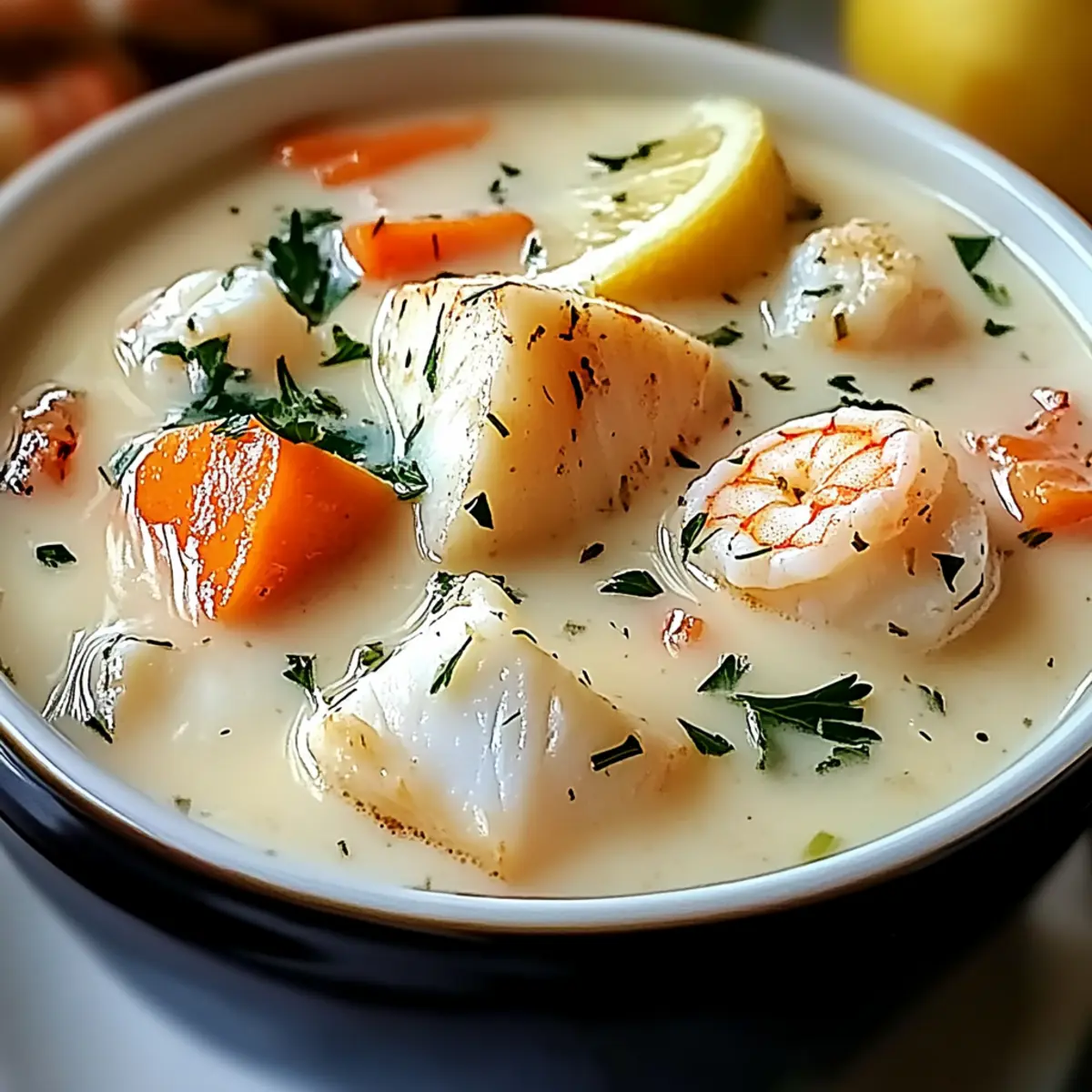
Nova Scotia Seafood Chowder Recipe FAQs
What is the best way to select seafood for my chowder?
Absolutely! When selecting seafood, opt for firm, flaky white fish like haddock, cod, or halibut, as they add great texture. For shrimp, fresh is preferred, but you can certainly use frozen if properly thawed. For scallops, choose tender and slightly translucent ones, ensuring they’re not rubbery. Lastly, if using mussels or clams, make sure they are tightly closed before cooking. If they’re open, tap them gently; if they don’t close, it’s best to discard them.
How should I store leftover chowder?
Very! To store leftover chowder, place it in an airtight container and refrigerate for up to 3 days. Make sure the chowder is cool before sealing to keep it fresh. If you want to keep it for a longer time, freezing is a great option.
Can I freeze Nova Scotia Seafood Chowder?
Certainly! To freeze your chowder, pour it into freezer-safe containers, leaving some space at the top for expansion. It can be stored for up to 2 months. When you’re ready to enjoy it again, thaw it overnight in the fridge and gently reheat it on the stove over low heat, stirring occasionally. This keeps the seafood tender and the flavors intact.
What can I do if my chowder is too thick?
No worries! If your chowder has become too thick after cooking or freezing, simply stir in a little extra seafood stock or whole milk while reheating until it reaches your desired consistency. This will help restore its creamy texture.
Are there any dietary considerations I should be aware of with this chowder?
Absolutely! If you’re catering to dietary needs, this recipe can easily become gluten-free—just ensure your seafood stock is certified gluten-free or make your own. Additionally, if you or your guests have seafood allergies, you can adapt the chowder to be vegetarian by substituting the seafood with more vegetables like corn and bell peppers, along with using vegetable stock instead.
Can I use different vegetables in my chowder?
The more the merrier! You can absolutely incorporate different vegetables based on your preference or what you have on hand. Spinach, corn, or even diced bell peppers can add texture and nutrition to your chowder. Just remember to adjust the cooking time slightly depending on the vegetables you choose!
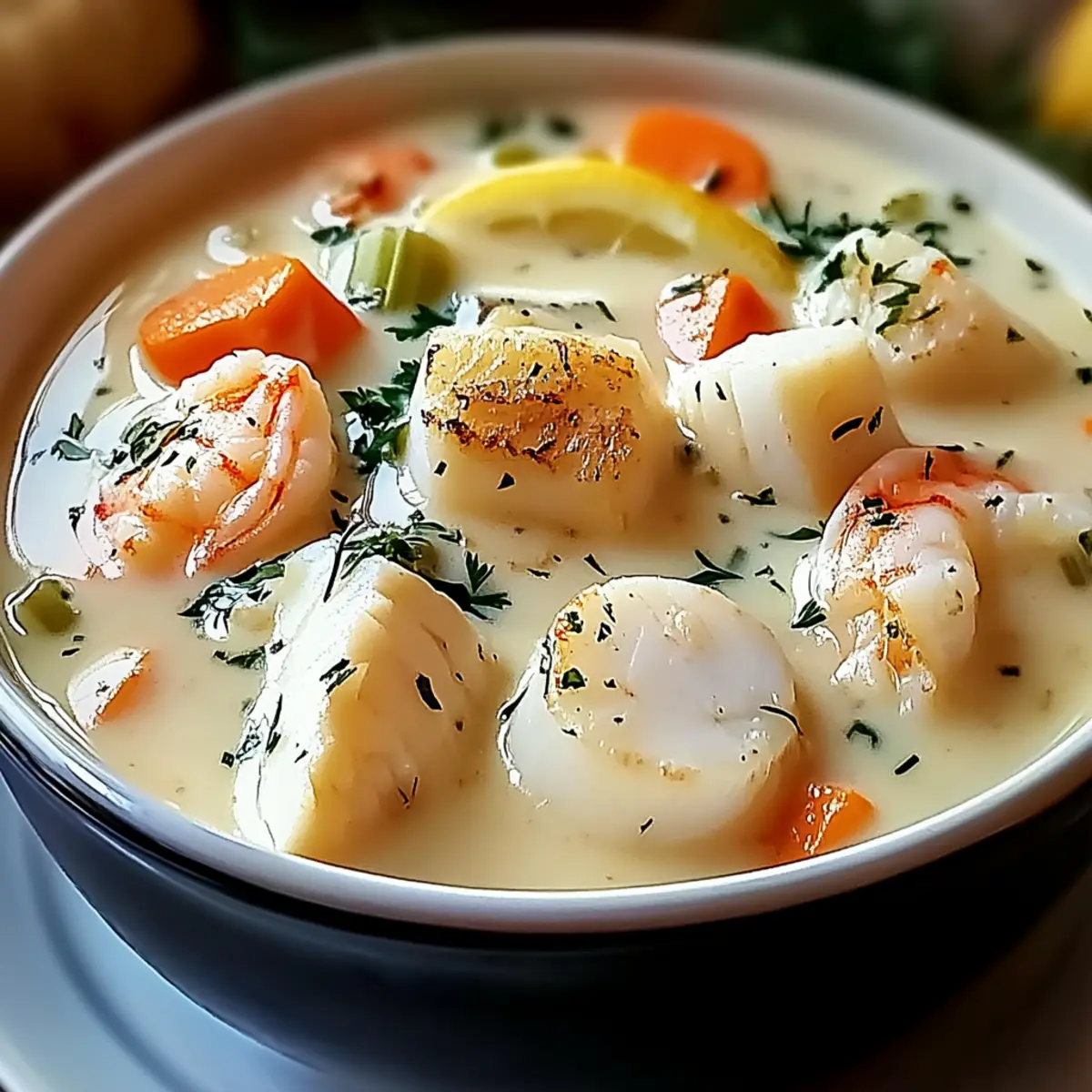
Nova Scotia Seafood Chowder That's a Cozy Hug in a Bowl
Ingredients
Equipment
Method
- In a large pot, melt 3 tablespoons of butter over medium heat. Once shimmering, add 1 diced onion, 2 diced celery stalks, and 1 diced carrot. Sauté these vegetables for about 3-4 minutes until they soften and become fragrant. Stir in 2 minced garlic cloves and cook for an additional minute.
- Add 2 diced medium potatoes and 4 cups of seafood stock to the pot, bringing it to a gentle simmer. Allow the mixture to simmer for approximately 10 minutes, or until the potatoes are fork-tender.
- Reduce the heat to low and gradually stir in 1 cup of heavy cream and 1 cup of whole milk. Season with salt, black pepper, thyme, and Old Bay seasoning. Stir for about 2 minutes.
- Gently fold in 1 pound of white fish, 1 pound of shrimp, 1 pound of scallops, and 1 pound of mussels (if using). Simmer gently for 5-7 minutes, until the seafood is cooked through.
- Remove from heat and stir in ¼ cup of chopped fresh parsley and juice from 1 lemon. Ladle into bowls and serve immediately with crusty bread.
Leave a Reply